Best Window Shades for Florida Heat & Sun Protection
What you'll learn
- Which shade type to choose for heat, glare, UV, or view.
- Why exterior screens stop more heat than any interior shade.
- How openness factor and fabric color change performance.
- A room-by-room plan for sun-facing Florida windows.
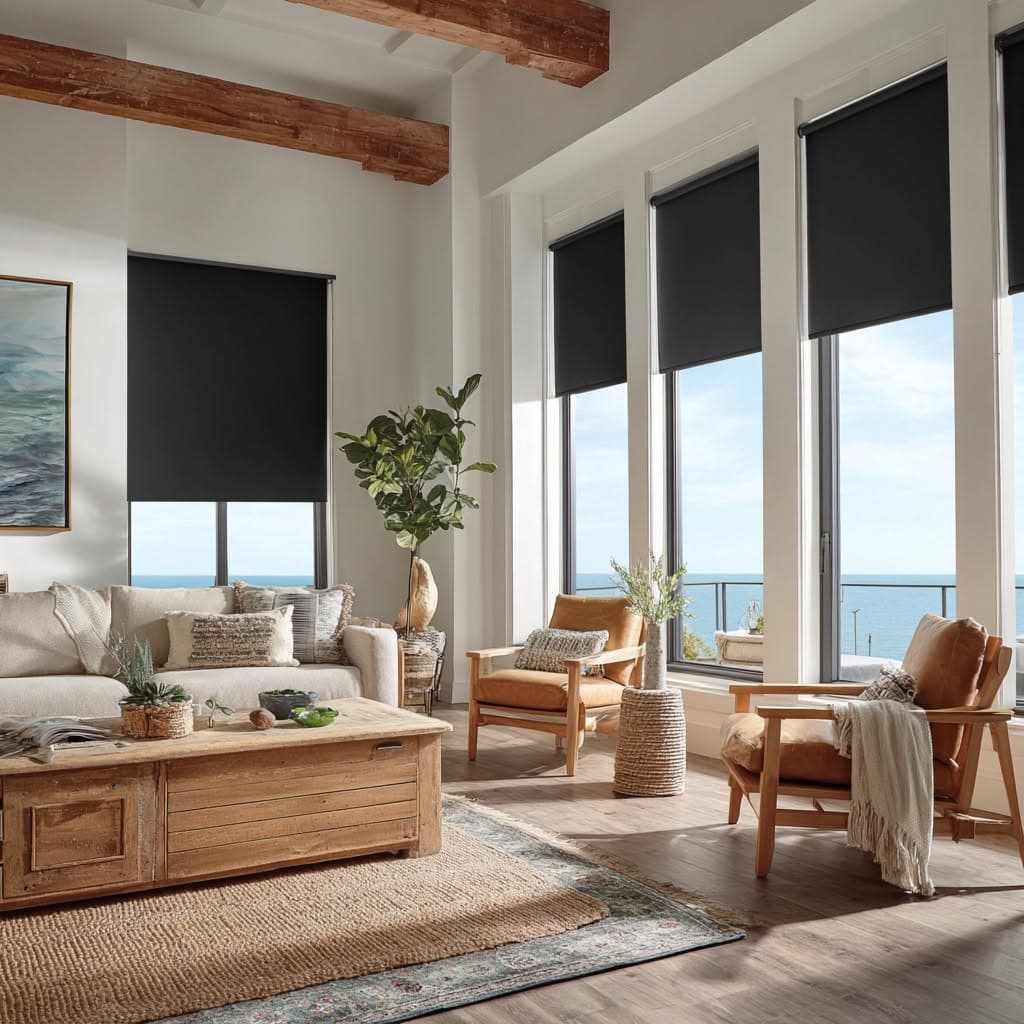
Quick answer: for most Florida rooms, solar shades are the best balance of heat and glare reduction while keeping your view. Cellular (honeycomb) shades insulate best when closed, so they suit bedrooms and rooms where you don't need the view. For west-facing glass and lanais with intense afternoon sun, exterior solar screens stop heat before it reaches the glass. Many homes combine all three.
How Shades Reduce Heat in a Florida Home
Sunlight carries heat through the glass. An interior shade blocks part of that light and traps some heat between the fabric and the window. An exterior screen blocks it outside the glass, which is why exterior screens typically outperform interior treatments on the hottest exposures. Performance varies by fabric, color, and window, so manufacturer specifications for the exact fabric are the best reference.
Comparing the Main Options
| Option | Strengths | Trade-offs |
|---|---|---|
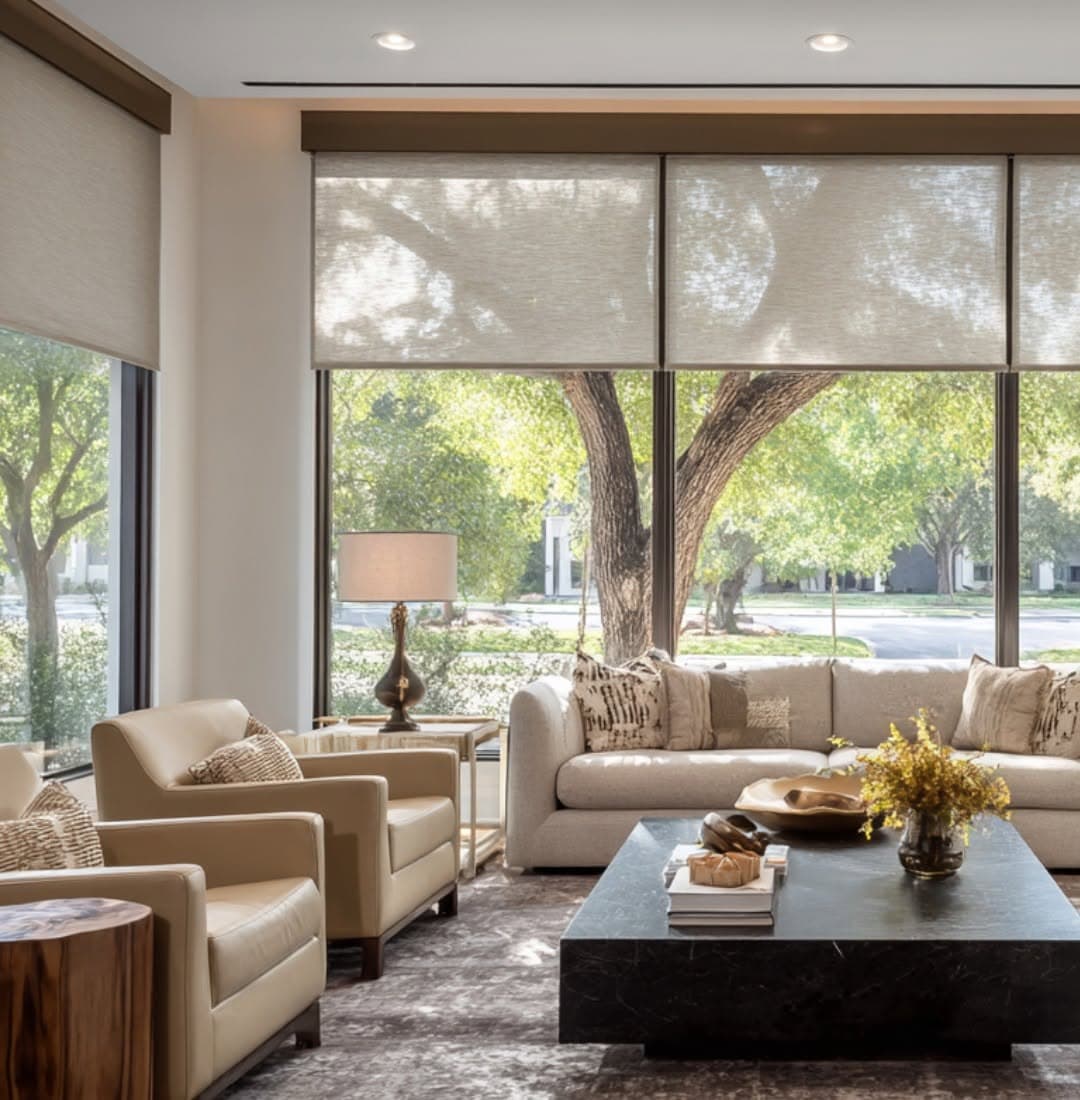
| Interior solar shades | Cut glare and UV while preserving the outdoor view; clean modern look | Less insulation than cellular; dark fabrics show more view but can feel warmer |
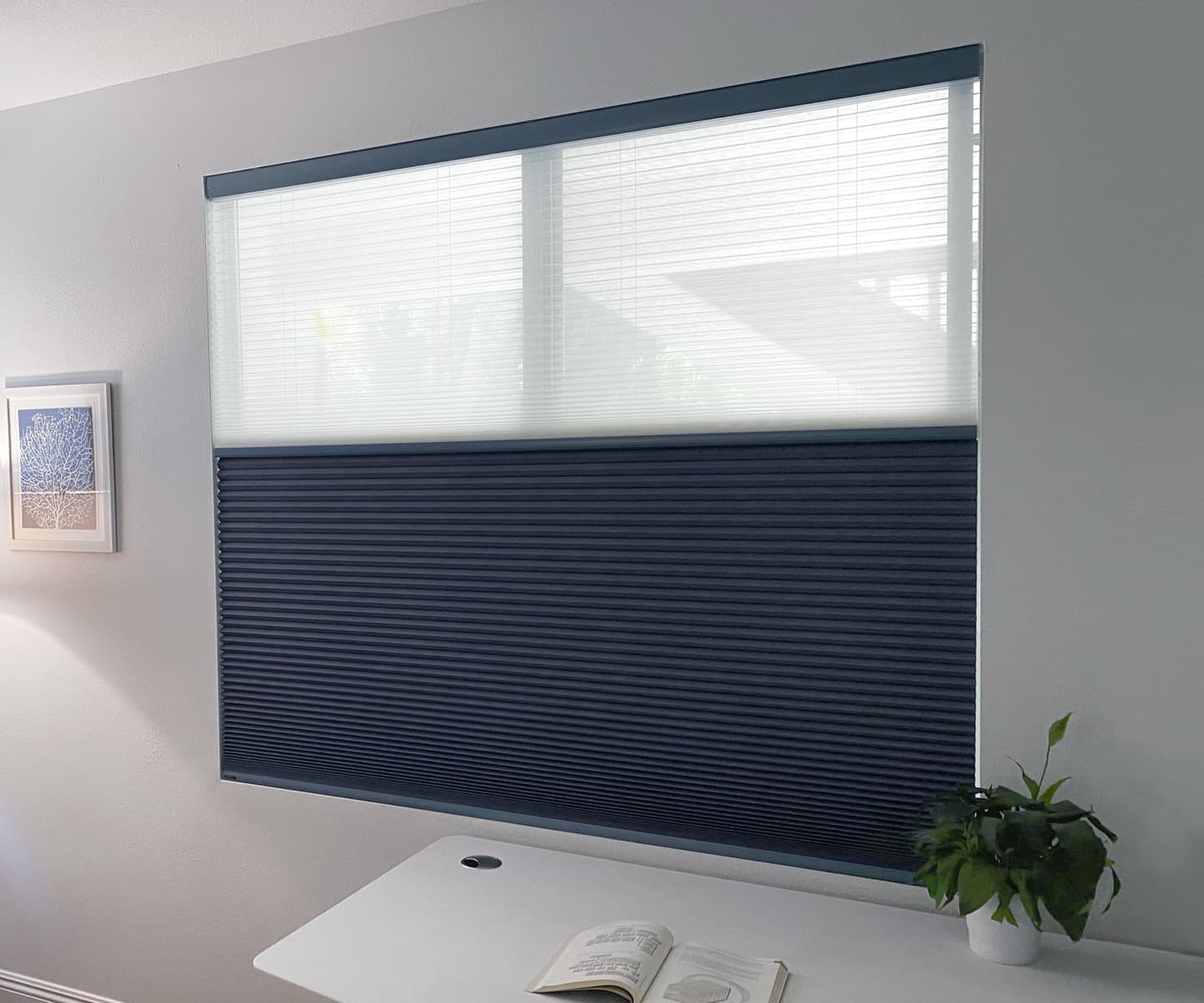
| Cellular (honeycomb) shades | Air pockets insulate against heat gain; light-filtering to blackout | Block the view when closed; less suited to view-focused rooms |
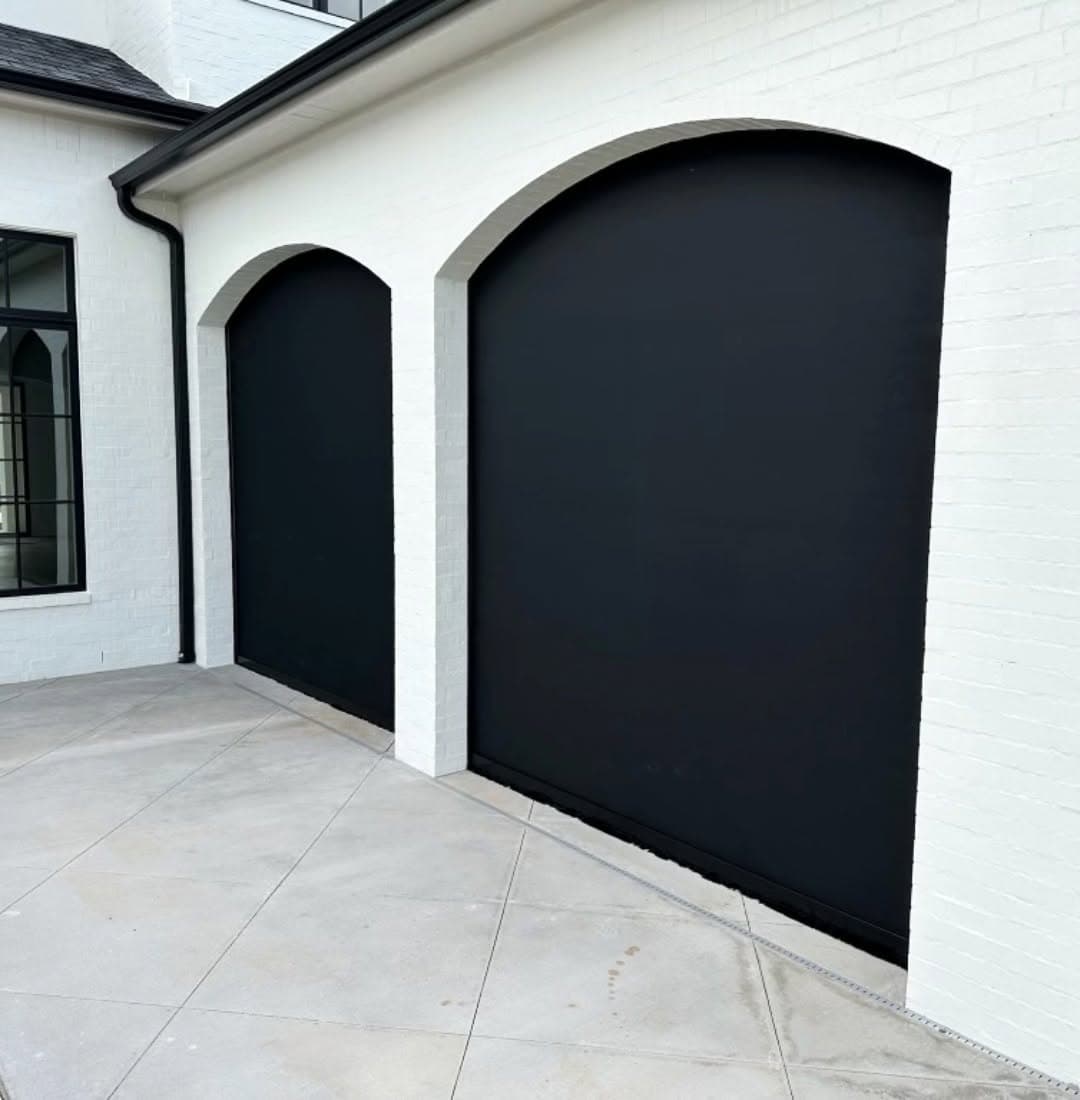
| Exterior solar screens | Stop heat outside the glass; reduce glare on lanais and west walls | Change the exterior look; require exterior mounting |
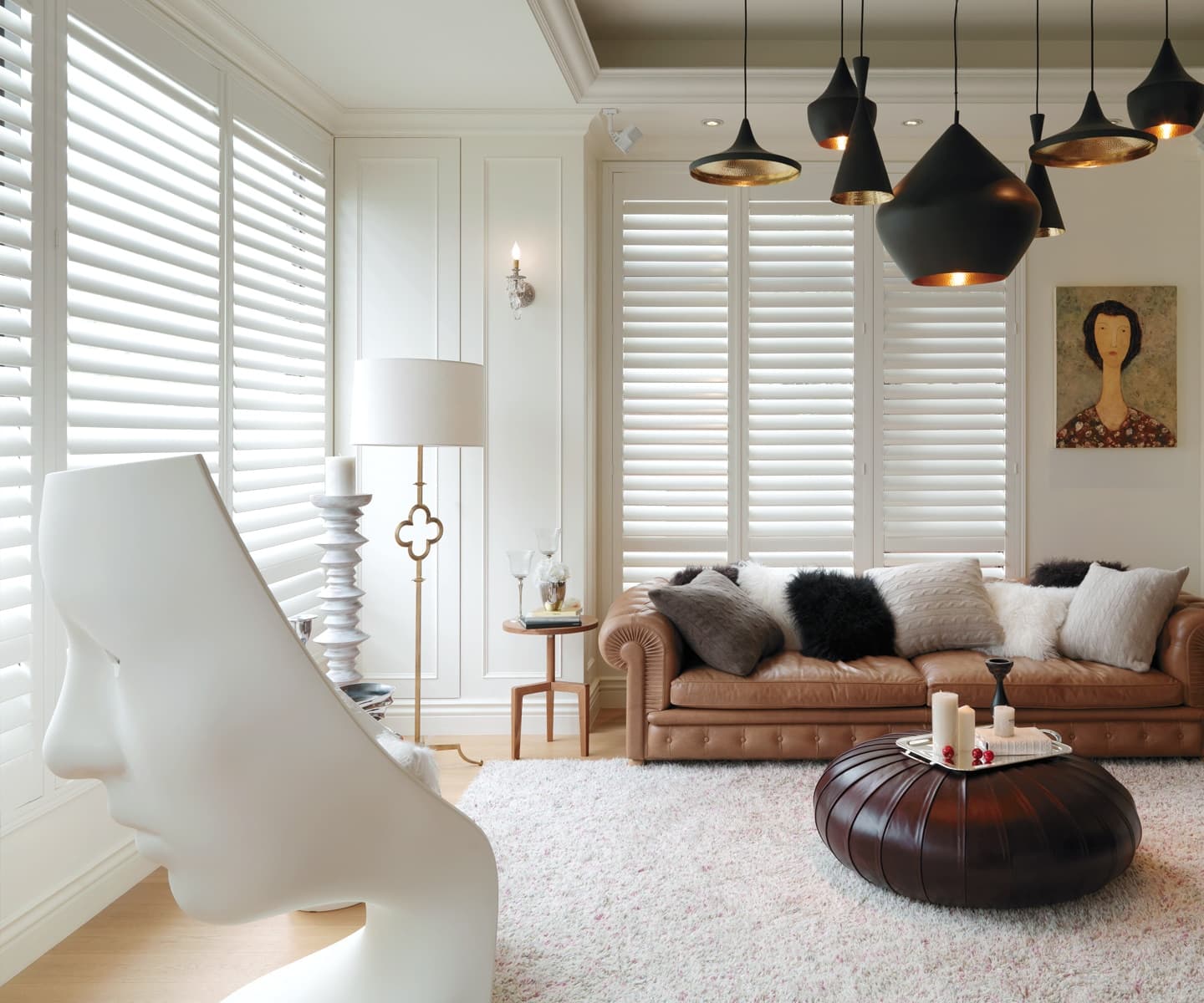
| Plantation shutters | Adjustable louvers redirect sun; durable composite options for humidity | Partially block the view even when open |
Choosing a Solar Shade Fabric
- Openness factor: lower openness (1–3%) blocks more glare and UV; higher openness (5–10%) keeps more view.
- Darker fabrics generally offer a clearer view out and less glare.
- Lighter fabrics reflect more sunlight and blend with light walls, but the view looks hazier.
- Ask for fabric samples and review the manufacturer's performance data before you decide.
Room-by-Room Plan
- 1
West-facing great room
Solar shades for daytime glare, often motorized on a schedule, with exterior screens on the hottest glass.
- 2
Bedrooms
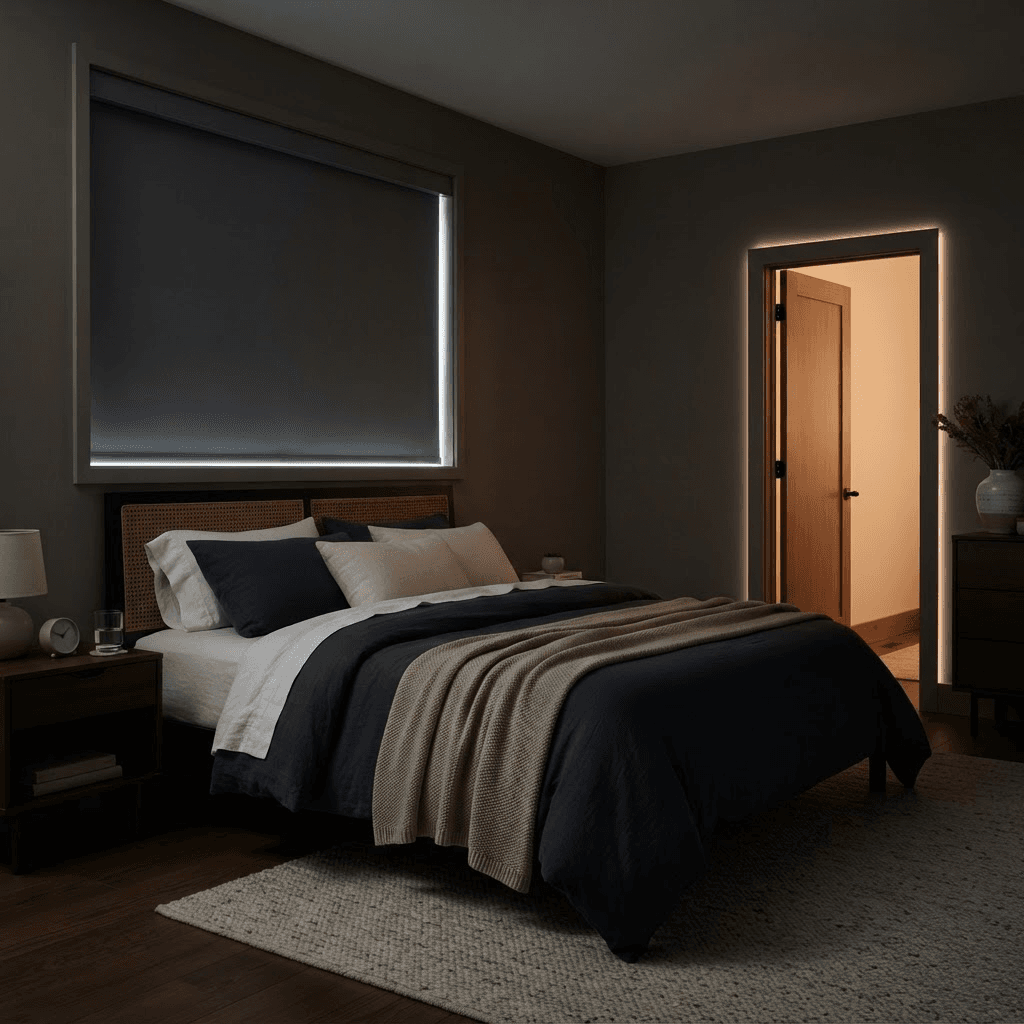
Cellular shades for insulation and darkness, or a blackout roller shade with side channels.
- 3
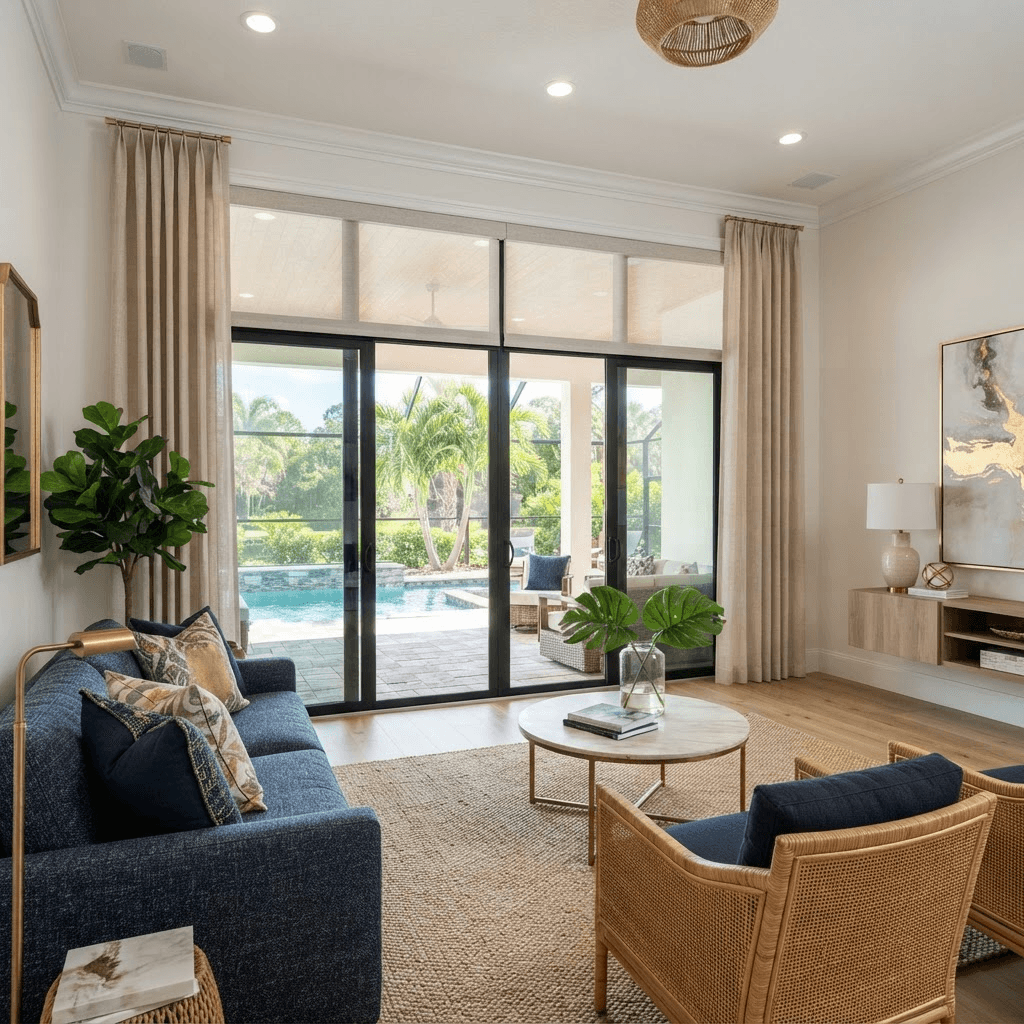
Sliding glass doors
Wide solar shades or motorized rollers that clear the opening; see our sliding-door guide for more options.
- 4
Lanai and pool area
Exterior solar screens to reduce heat, glare, and insects outdoors.
Frequently asked questions
- What type of shade blocks the most heat in Florida?
- Exterior solar screens block the most heat because they stop sunlight before it reaches the glass. Among interior options, cellular (honeycomb) shades insulate best when closed, while solar shades reduce heat and glare while keeping your view.
- Do solar shades protect furniture and floors from UV fading?
- They reduce UV exposure significantly, and lower-openness fabrics block more. No shade prevents fading completely, so very sun-sensitive rooms benefit from a low-openness fabric and scheduled motorization that lowers shades during peak sun.
- Should I choose a light or dark solar shade fabric?
- Darker fabrics usually give a clearer view and less glare; lighter fabrics reflect more sunlight and blend with light interiors. We bring both to your home so you can compare them on your actual windows.
- Are motorized shades worth it for sun control?
- Often, yes. Scheduled motorized shades lower automatically during the hottest hours even when you're away, which makes sun protection consistent instead of relying on remembering to adjust them.
- Can I combine interior shades with exterior screens?
- Yes. Many Sarasota homes use exterior screens on the hottest west and south exposures and interior solar or cellular shades for privacy and light control inside.
Ready to put this into practice?
Book a free in-home design consultation and we'll help you apply what you've learned to your specific rooms, light, and budget.