Exterior Screens Explained
What you'll learn
- Why exterior screens beat interior shades for heat control.
- The difference between solar screens and retractable screens.
- How motorized screens disappear when you don't need them.
- What makes a lanai usable all year.
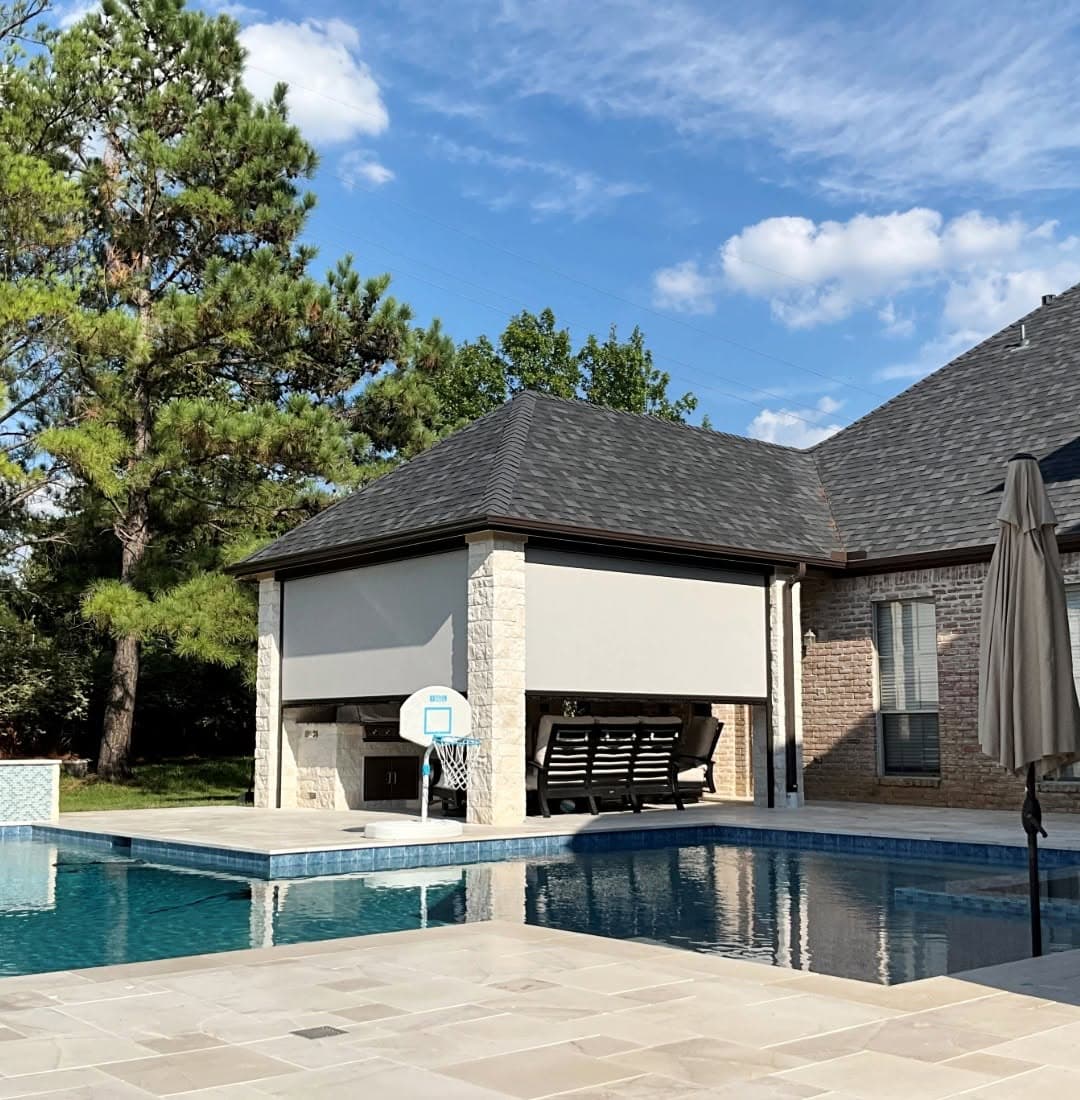
Exterior screens are the most effective way to beat Florida heat, because they stop the sun before it ever reaches your glass. Mounted over lanais, patios, and sun-facing windows, they cut glare and radiant heat while preserving your view and the breeze — something no interior treatment can fully match.
Why Exterior Beats Interior for Heat
An interior shade only blocks light after it has already passed through the glass and entered the room — by then the heat is inside. An exterior screen intercepts the sun outside the glass, so the heat never gets in. For hot, sun-facing rooms and covered outdoor spaces, that difference is dramatic.
Solar Screens vs. Retractable Screens
- Solar screens use a mesh that cuts glare, UV, and heat while keeping your outward view and airflow — great for sun-facing windows and open lanais.
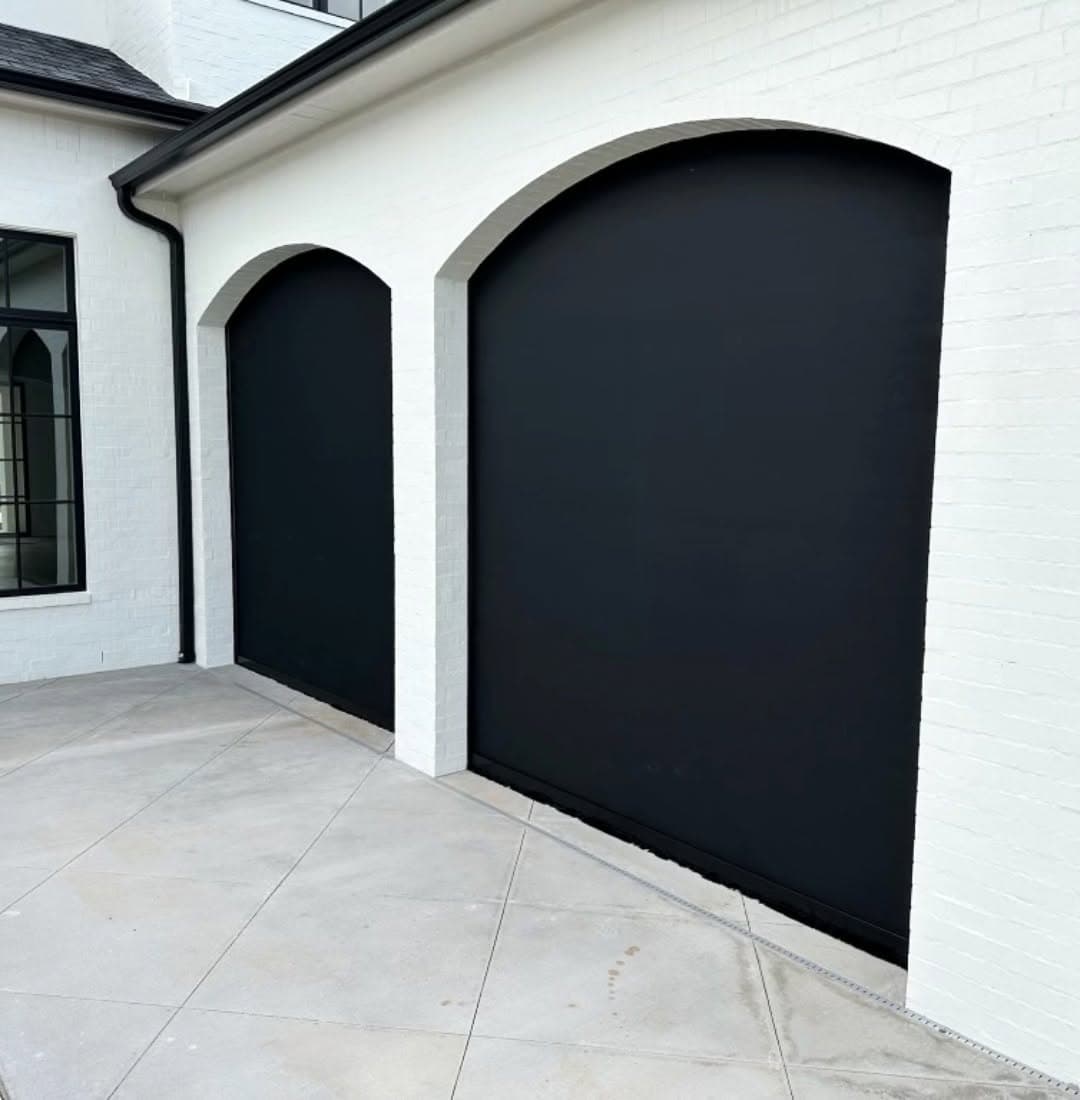
- Motorized retractable screens roll down to enclose a lanai for shade, glare, and insect protection, then retract fully into a discreet housing so the space reads as wide open when you want it.
- Both preserve the view and can be motorized for one-touch or scheduled operation.
Turn a Lanai Into a Year-Round Room
The real magic of retractable screens is flexibility: down, your lanai becomes a cool, shaded, bug-free outdoor room; up, it's an open-air patio again. That flexibility is what makes an outdoor space genuinely usable all year in our climate.
Ready to put this into practice?
Book a free in-home design consultation and we'll help you apply what you've learned to your specific rooms, light, and budget.