Light Control & Privacy Explained: From Sheer to Blackout
What you'll learn
- The four opacity levels and what each one does.
- Why light control and privacy are not the same thing.
- How day-vs-night privacy changes your choice.
- The two-layer trick that solves both at once.
Almost every window treatment decision comes down to two things people often confuse: light control and privacy. A fabric can let light through while still blocking the view, or block light while offering little privacy at night. Understanding the opacity spectrum is the single most useful thing you can learn before you shop.
The Four Levels of Opacity
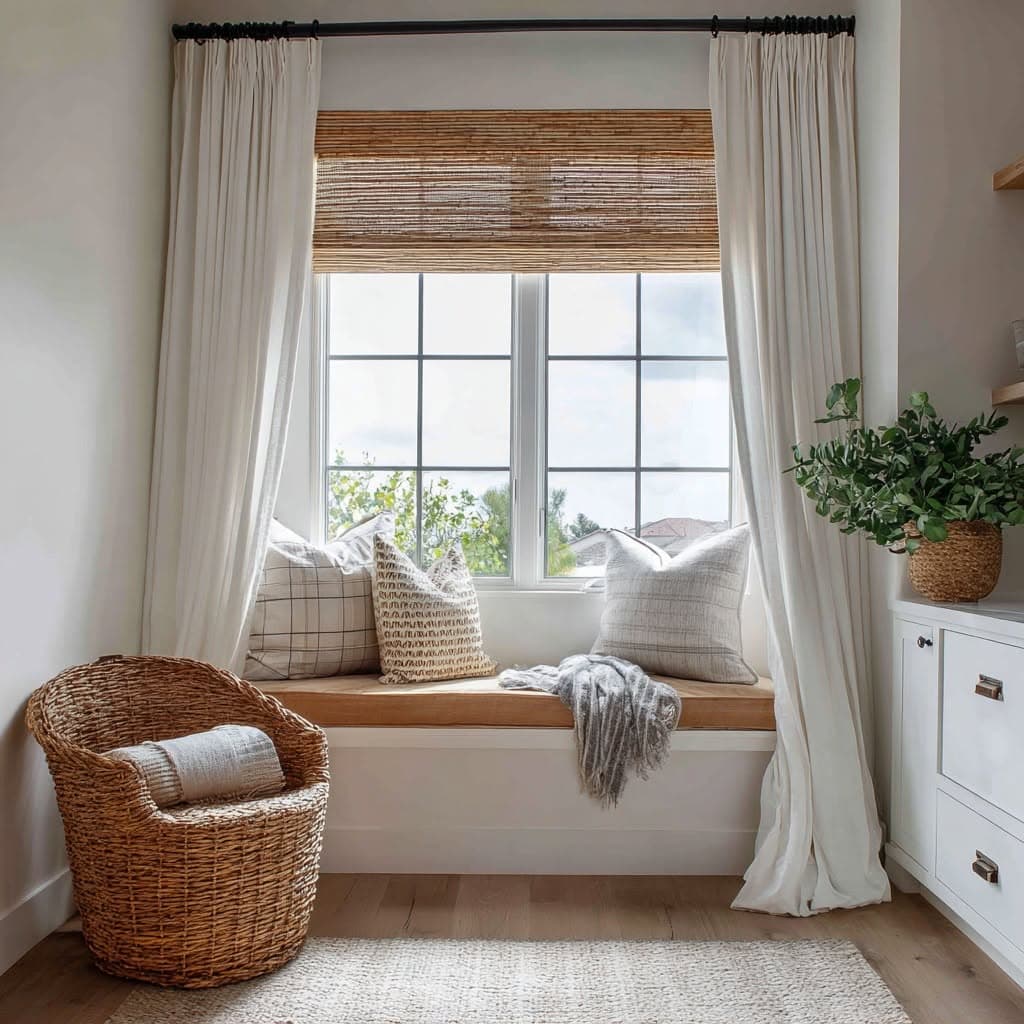
- Sheer — diffuses harsh light into a soft glow and preserves the view; offers daytime privacy but little at night. Ideal for living rooms and view windows.
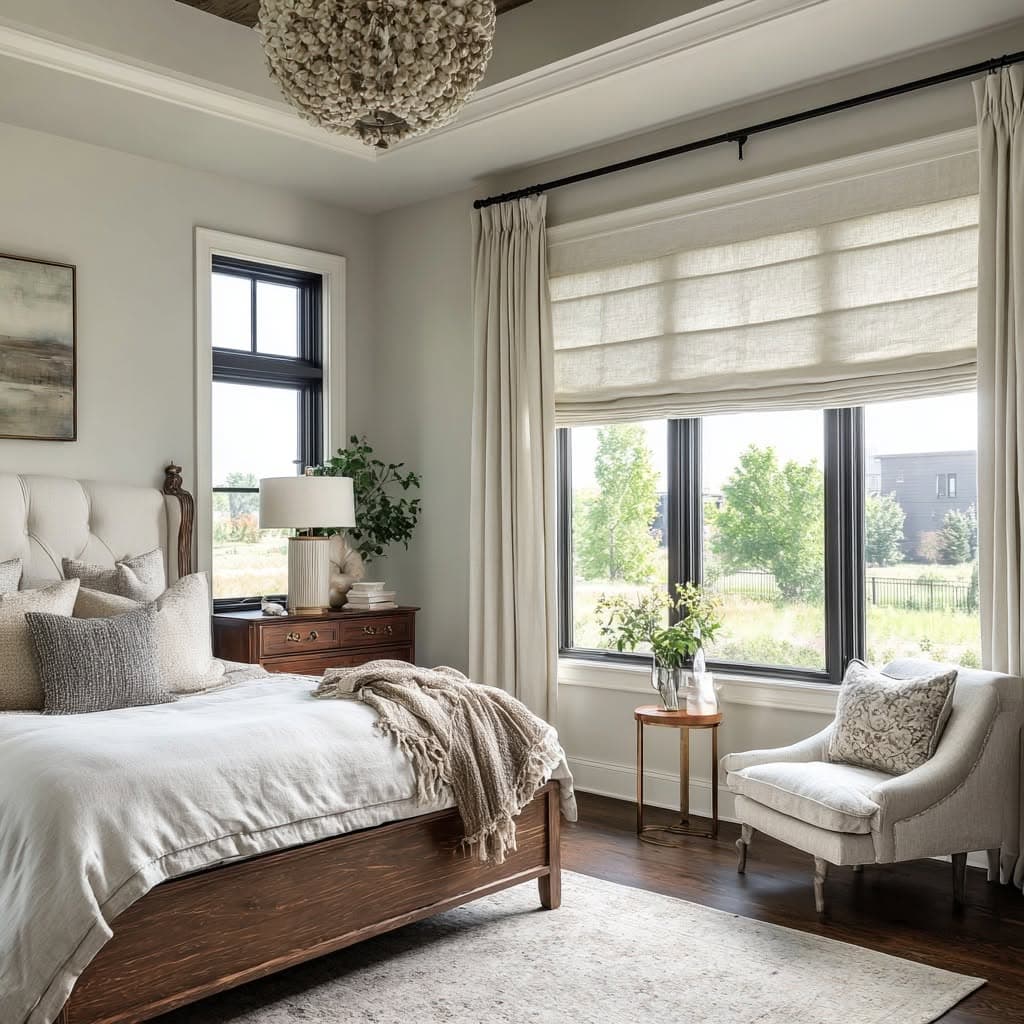
- Light-filtering — softens light and gives daytime privacy while keeping a room bright. The versatile everyday choice for most living spaces.
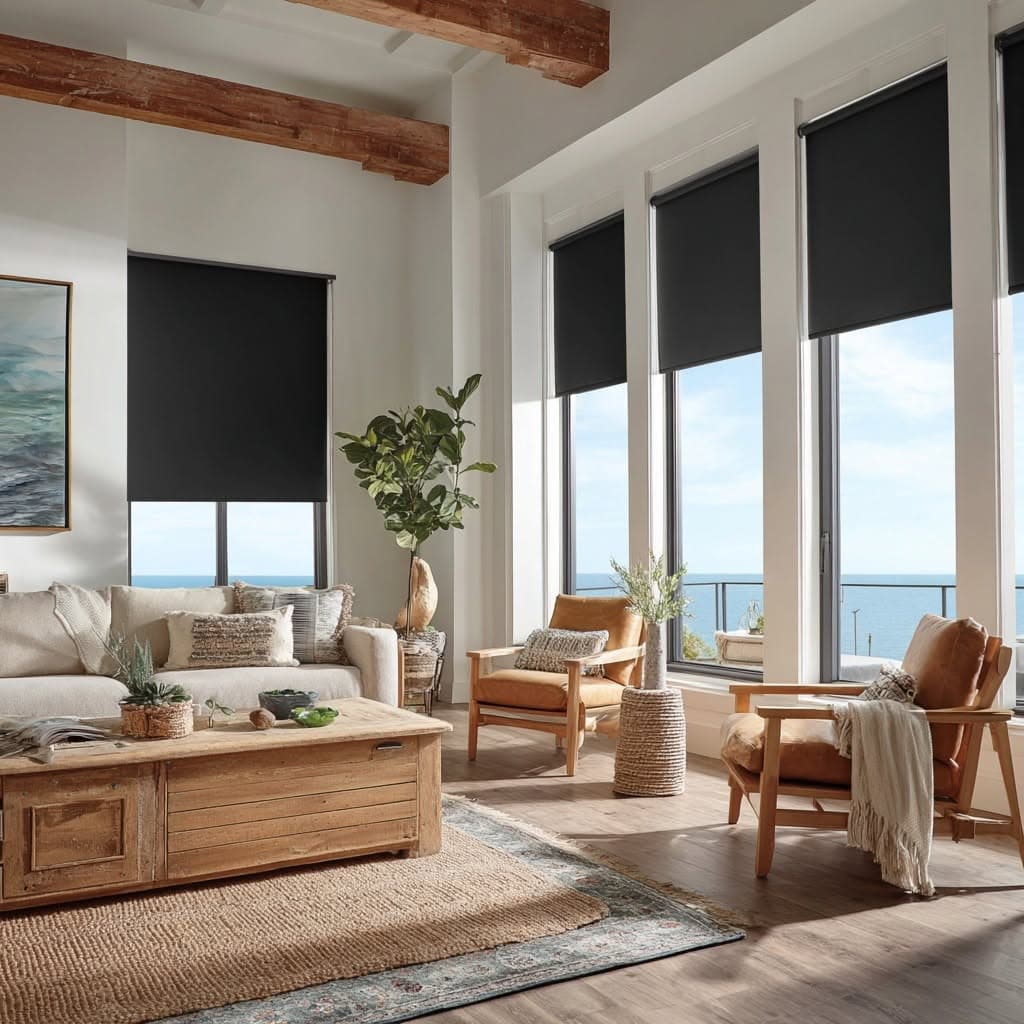
- Room-darkening — blocks most light for a much dimmer room; great for bedrooms that don't need total darkness.
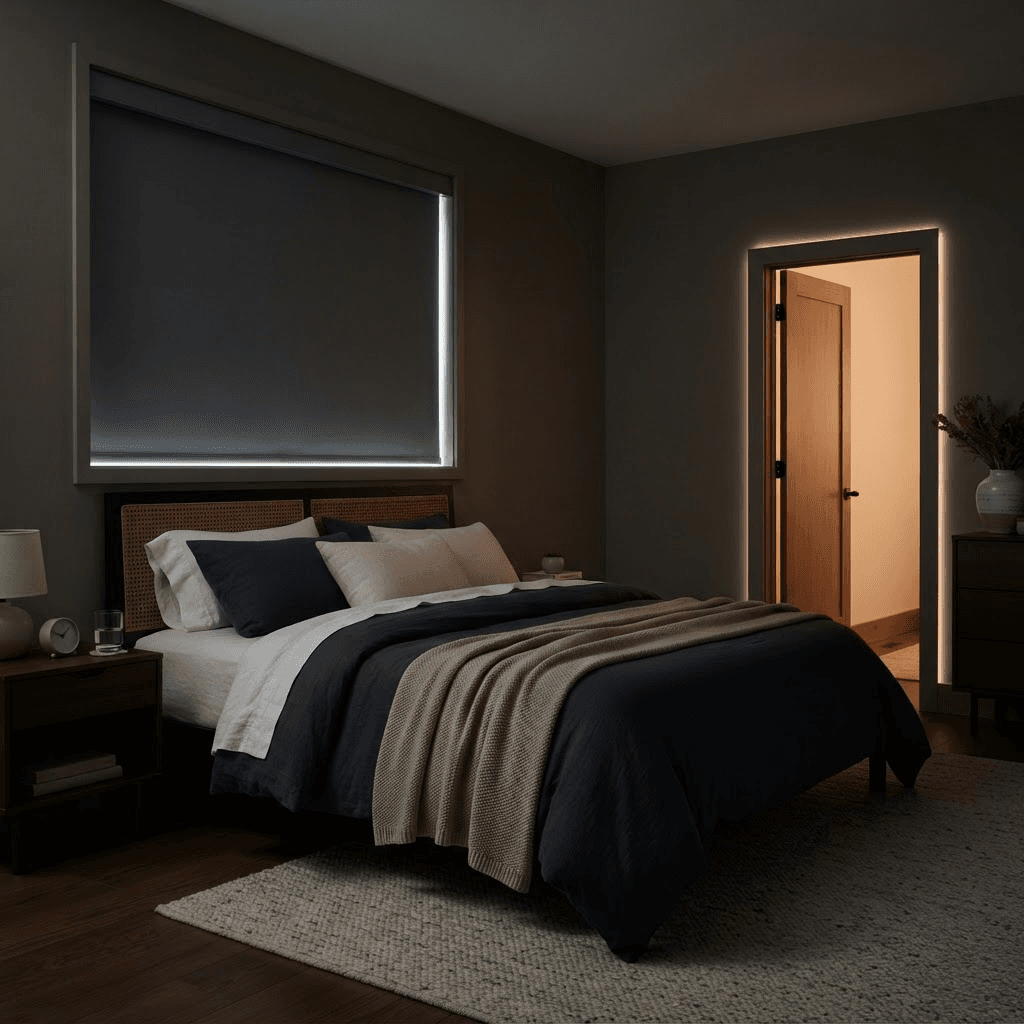
- Blackout — blocks essentially all light for true darkness; the pick for primary bedrooms, nurseries, and media rooms.
Light Control Is Not the Same as Privacy
This is the trap. A light-filtering shade gives you privacy during the day, but at night — when interior lights are on and it's dark outside — that same shade can let people see silhouettes from the street. If nighttime privacy matters, you either need a more opaque fabric or a second layer.
| Opacity | Daytime privacy | Best for |
|---|---|---|
| Sheer | Good, view preserved | Living rooms, view windows |
| Light-filtering | Good; limited at night | Everyday living spaces |
| Room-darkening | Very good | Secondary bedrooms, offices |
| Blackout | Complete | Primary bedrooms, nurseries, media |
The Two-Layer Solution
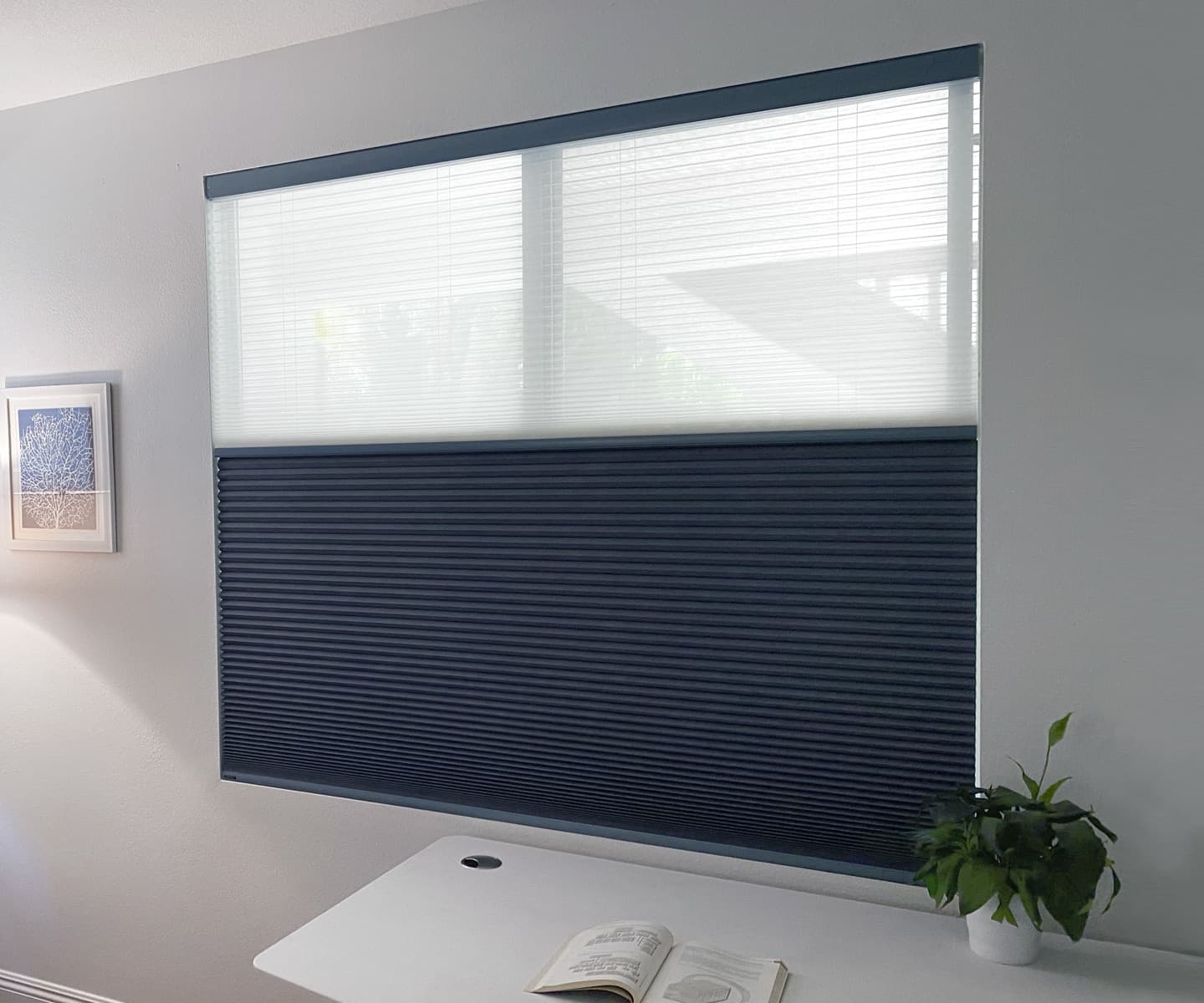
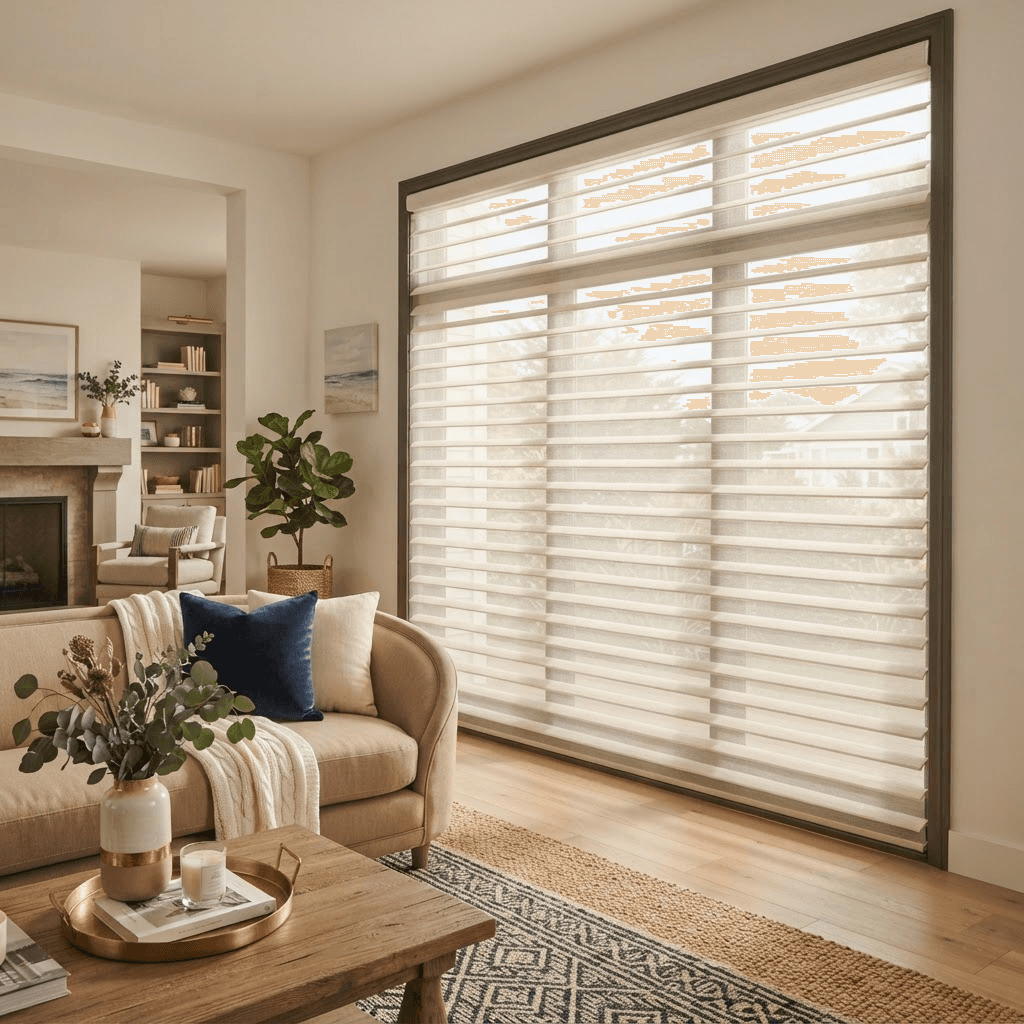
When a room needs both an open, bright feel by day and real privacy and darkness at night, the answer is layering: a sheer or light-filtering shade for the day paired with a blackout shade or drapery for the night. Day-night (dual) shades build both layers into one system, and motorization lets you switch between them with a button.
Ready to put this into practice?
Book a free in-home design consultation and we'll help you apply what you've learned to your specific rooms, light, and budget.