Blinds vs. Shades vs. Shutters: How to Choose the Right Window Treatment
Published August 12, 2026
If you are shopping for window treatments for the first time, the terms get used interchangeably — but blinds, shades, and shutters are three distinct products with different looks, price points, and strengths. Understanding the difference is the fastest way to narrow your choice. Here is how they compare and when each one makes the most sense in a Florida home.
Blinds: Hard Vanes, Tilt Control
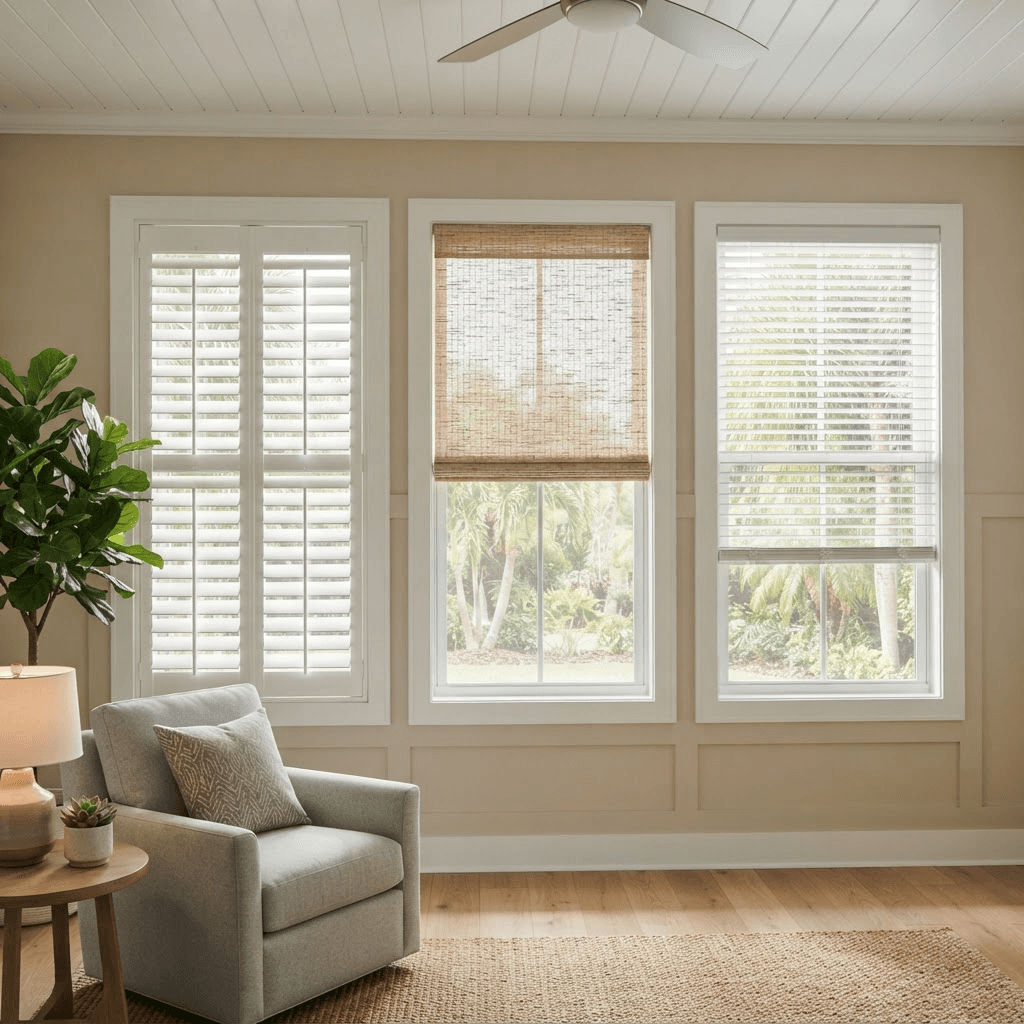
Blinds are made of hard slats or vanes — horizontal (like faux-wood blinds) or vertical (for sliding doors) — that tilt open and closed to control light and privacy, and raise or draw aside to clear the window. They are the most budget-friendly category and offer precise light control, making them a practical everyday choice. Faux-wood blinds in particular resist Florida humidity better than real wood.
Shades: Soft Fabric, Many Styles
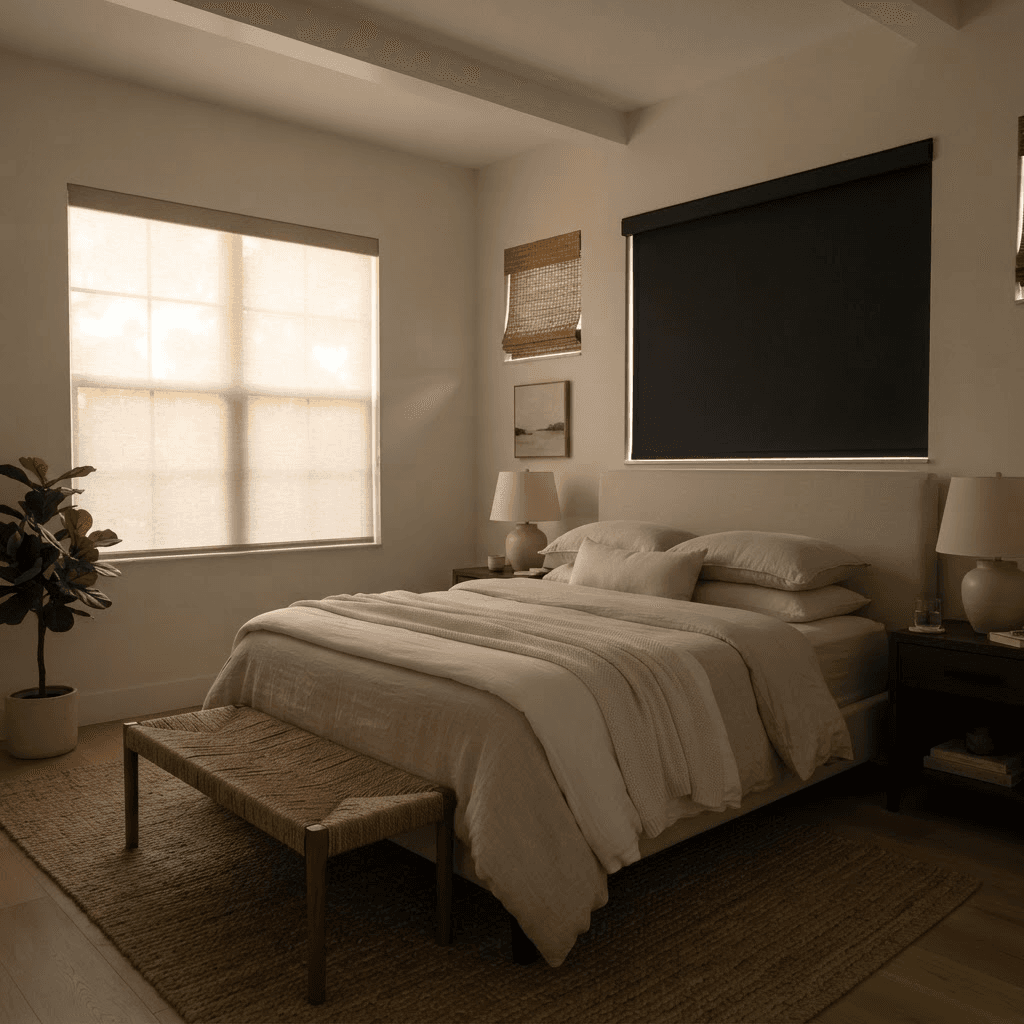
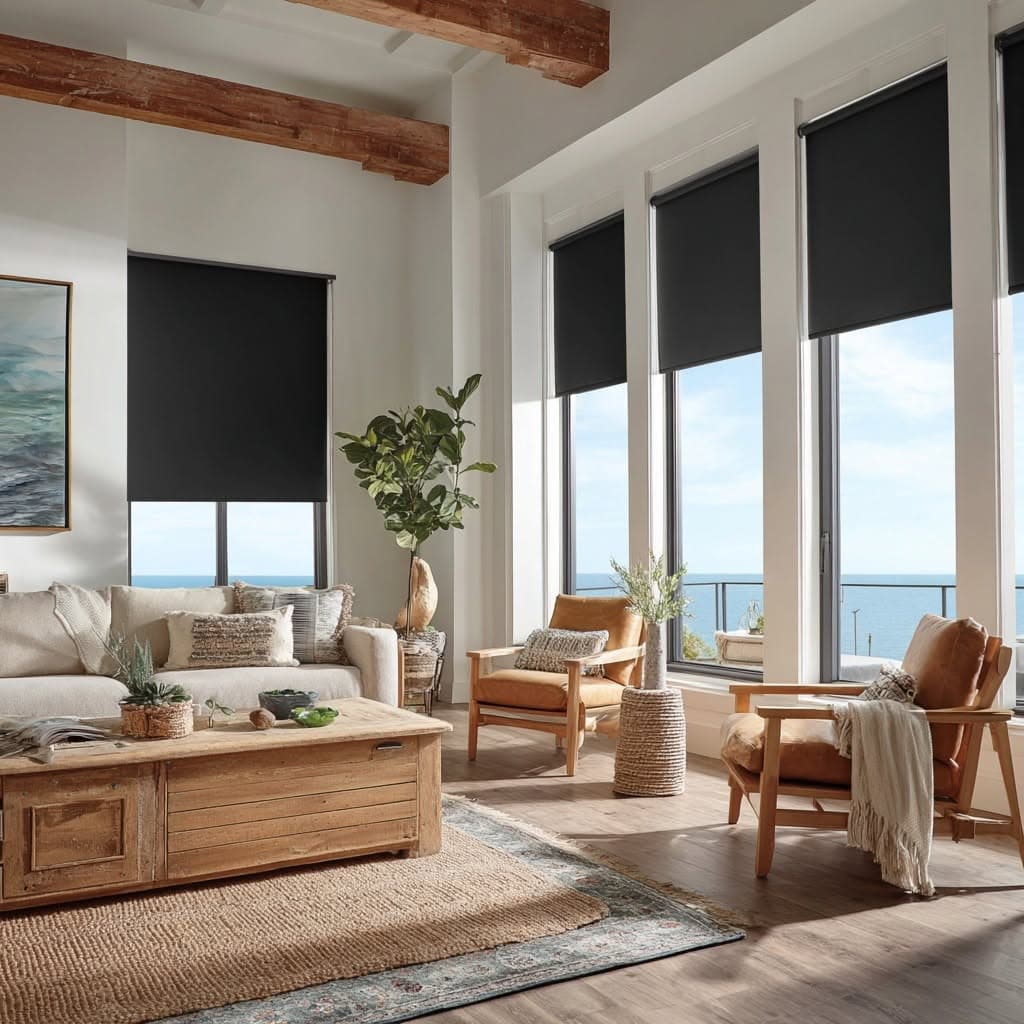
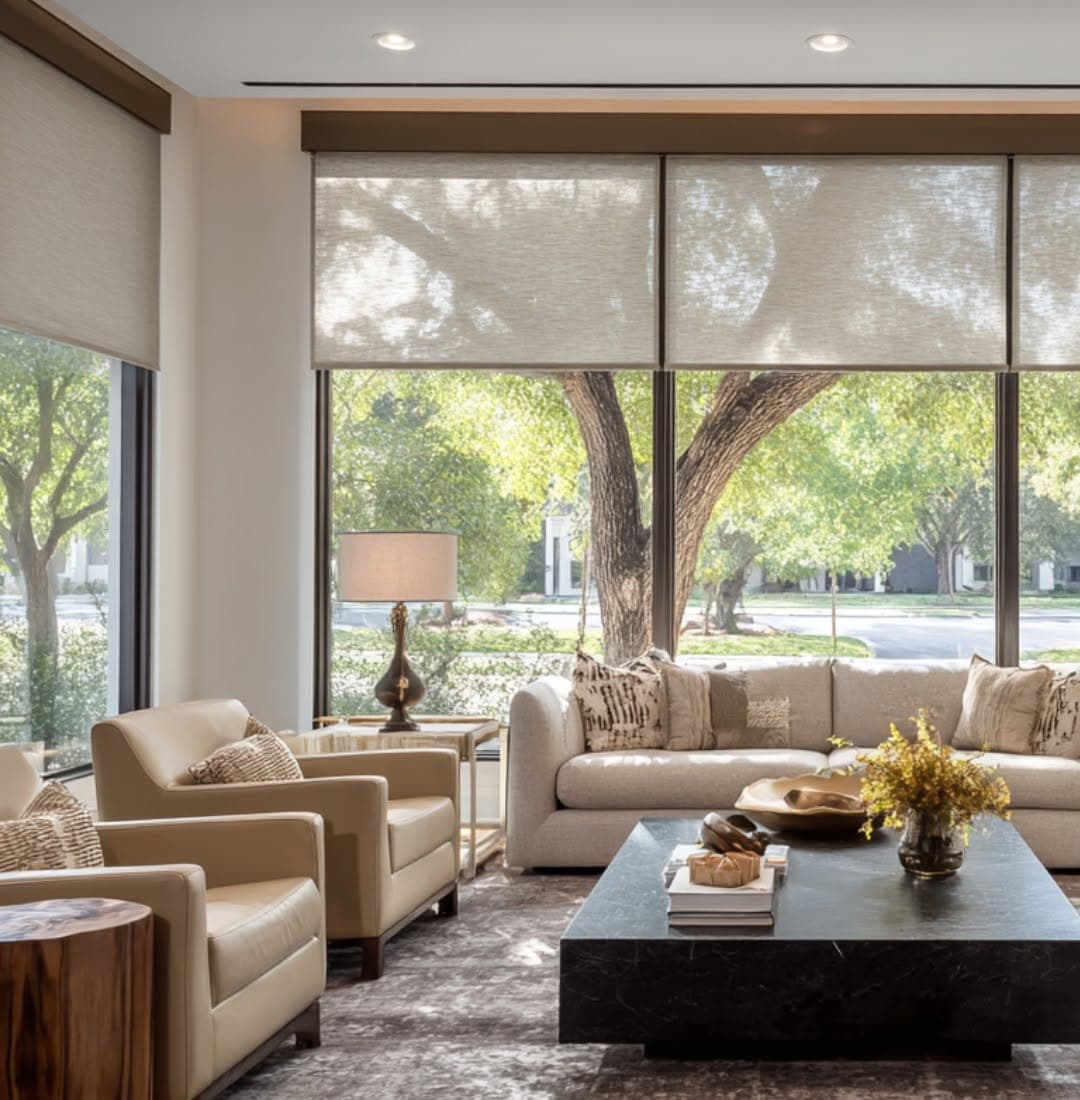
Shades are made from a continuous piece of fabric or material that raises and lowers, with no tilting vanes. The category is huge — roller, solar, cellular (honeycomb), Roman, and woven wood — so shades span from clean and modern to soft and textured. This is where you find specialized performance: solar shades cut glare while keeping the view, and cellular shades add real insulation against the Florida heat.
Shutters: Built-In, Architectural, Durable
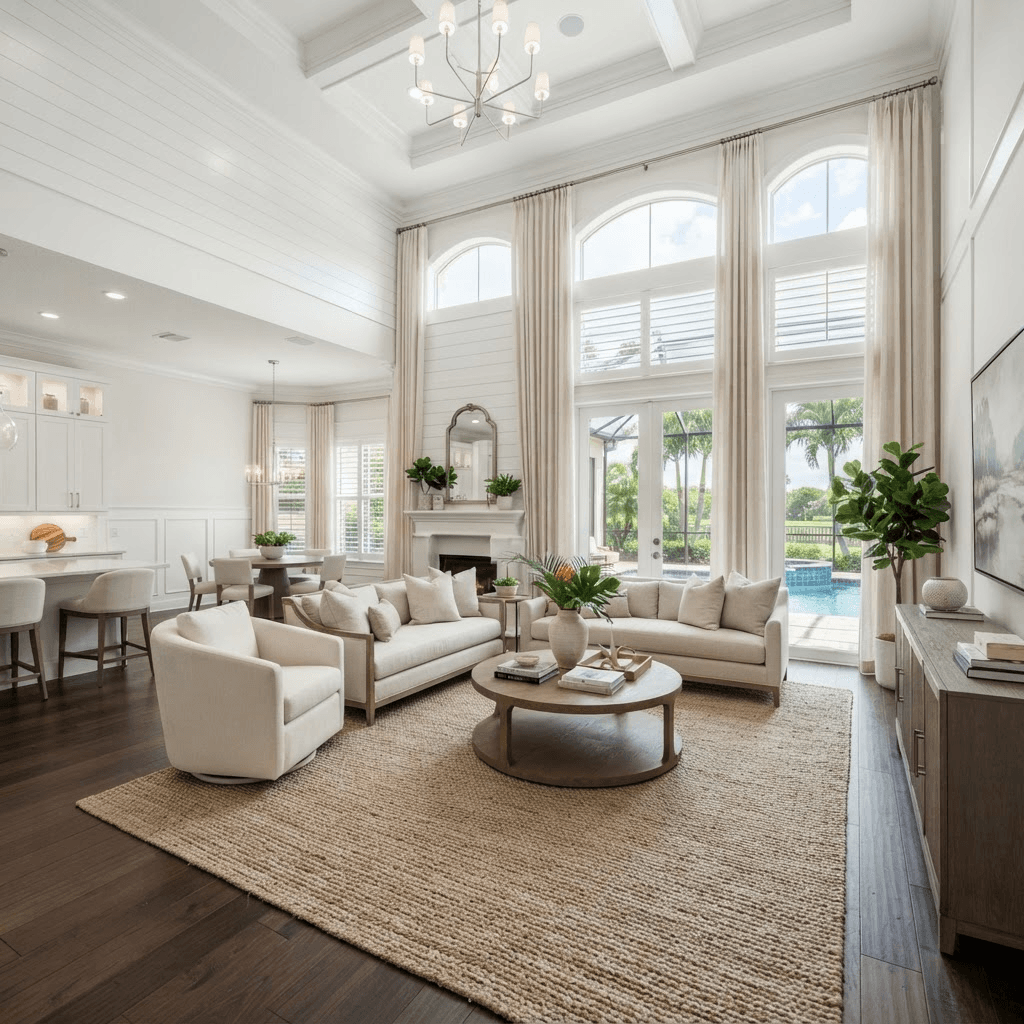
Plantation shutters are solid panels with adjustable louvers, mounted permanently to the window frame. They are the most substantial and architectural option, add lasting value to a home, and stand up to decades of Florida sun and humidity — especially in durable faux-wood. They are the largest upfront investment but often the best long-term value.
How to Choose
- Choose blinds for precise, budget-friendly light control and a classic look.
- Choose shades for softness, specialized performance (glare, insulation, blackout), and the widest style range.
- Choose shutters for a permanent, high-value, architectural upgrade that lasts for decades.
- Mix and match: most homes use different treatments in different rooms — shutters up front, shades in bedrooms, blinds in secondary spaces.
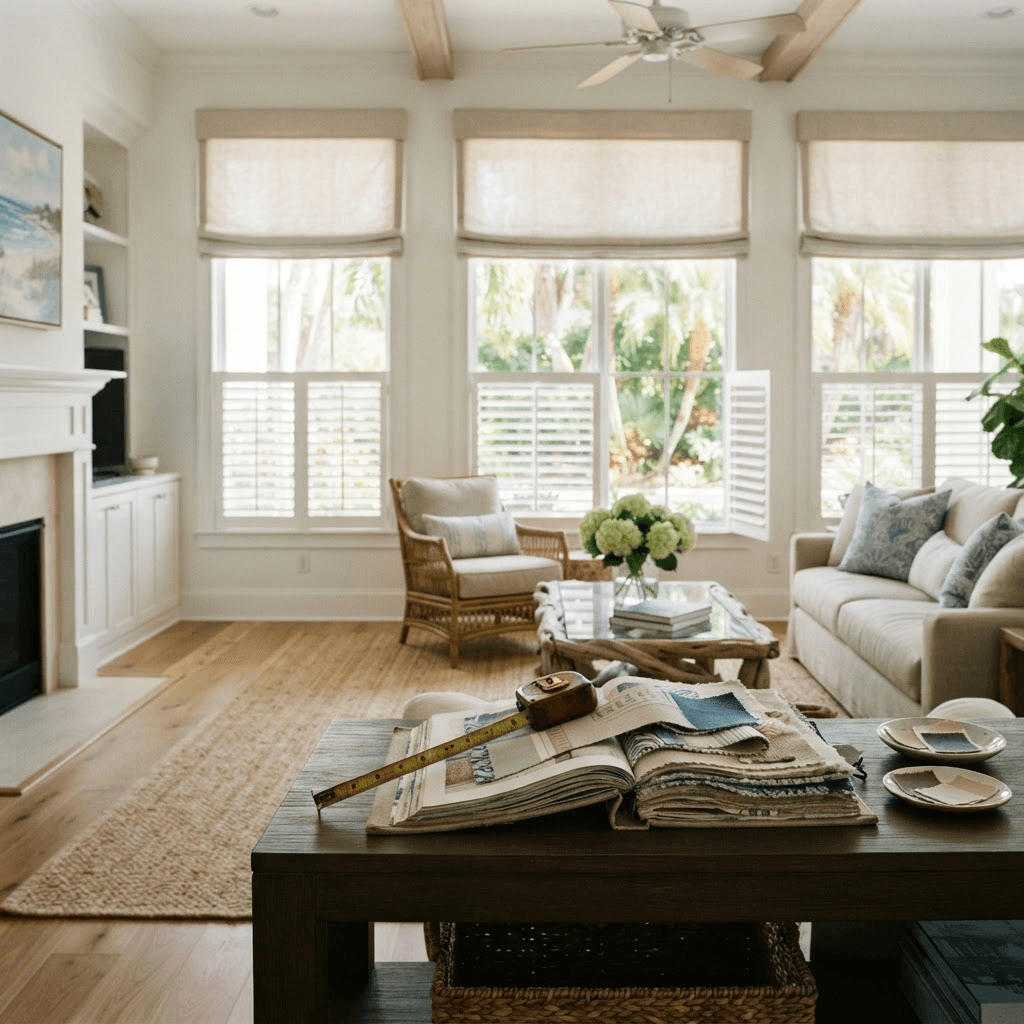
The best choice depends on the room, your budget, and how much light and privacy you need. Our designers bring samples of all three to your home so you can see and feel the difference in your own light before deciding. We serve homeowners throughout Sarasota, Lakewood Ranch, and Venice.
Compare All Three in Your Home
Explore each category, then let us help you choose room by room.
Ready to Explore Your Options?
Every home is different. Book a free in-home design consultation and we'll help you choose the right window treatments for your space, style, and budget.