Light Filtering vs. Room Darkening vs. Blackout: What’s the Difference?
Published August 12, 2026
When you choose a shade, the fabric’s opacity — how much light it lets through — matters as much as the color or style. The industry uses three main levels: light filtering, room darkening, and blackout. Picking the right one for each room is the difference between a nursery that stays dark for naps and a living room that glows softly all afternoon. Here is what each level actually means.
Light Filtering: Soft, Diffused Glow
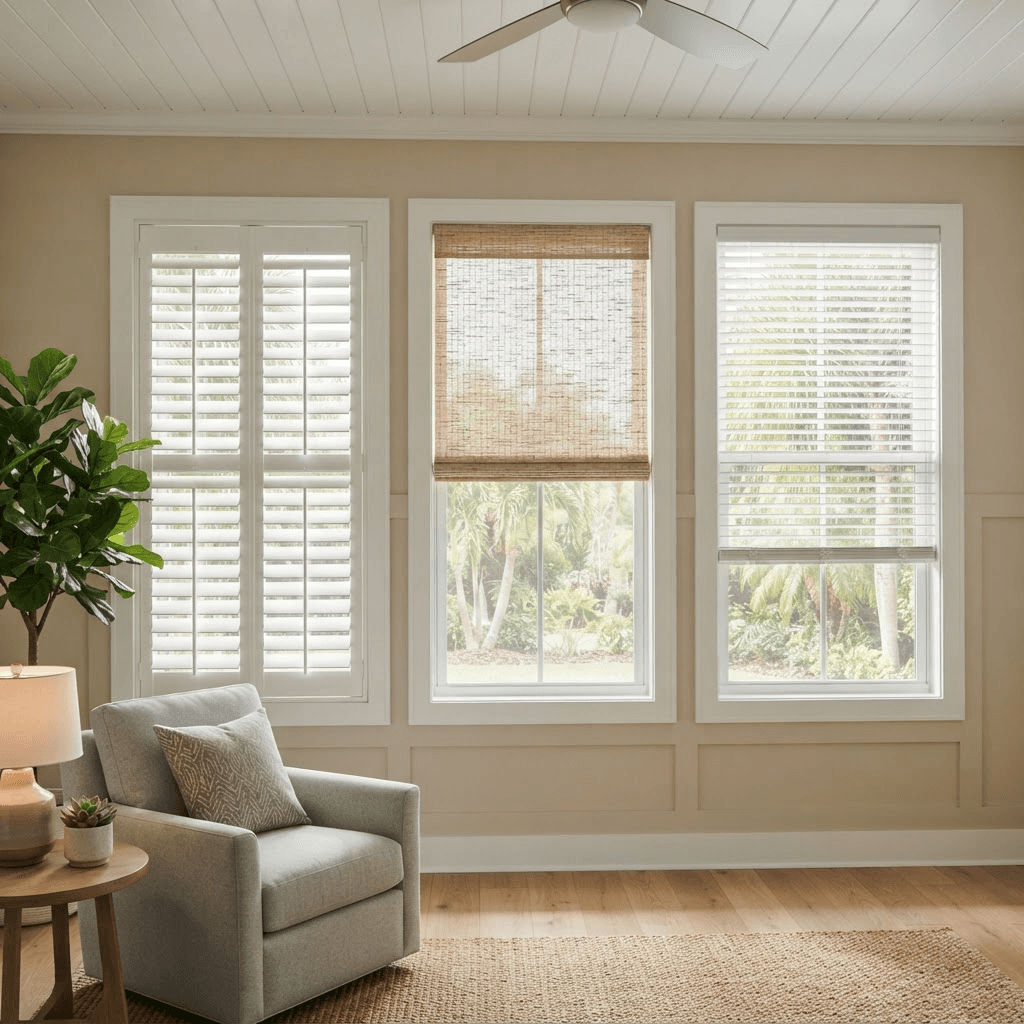
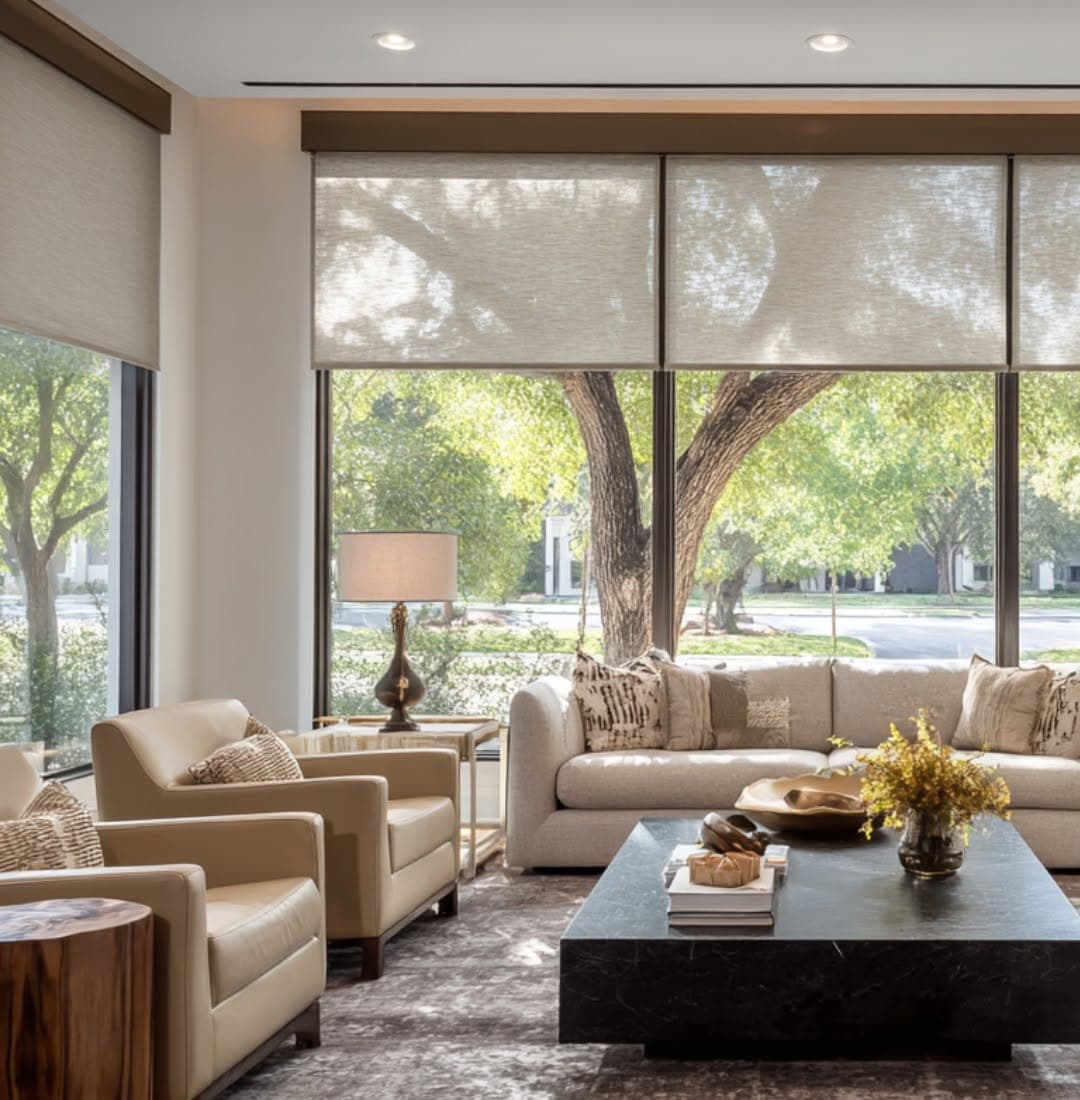
Light-filtering shades let daylight through while softening and diffusing it, and they provide daytime privacy. They keep a room bright and airy without harsh glare — perfect for living rooms, kitchens, and home offices where you want natural light but not a spotlight on your screen. They do not darken a room, so they are not the choice for sleeping spaces.
Room Darkening: Most of the Light, Not All
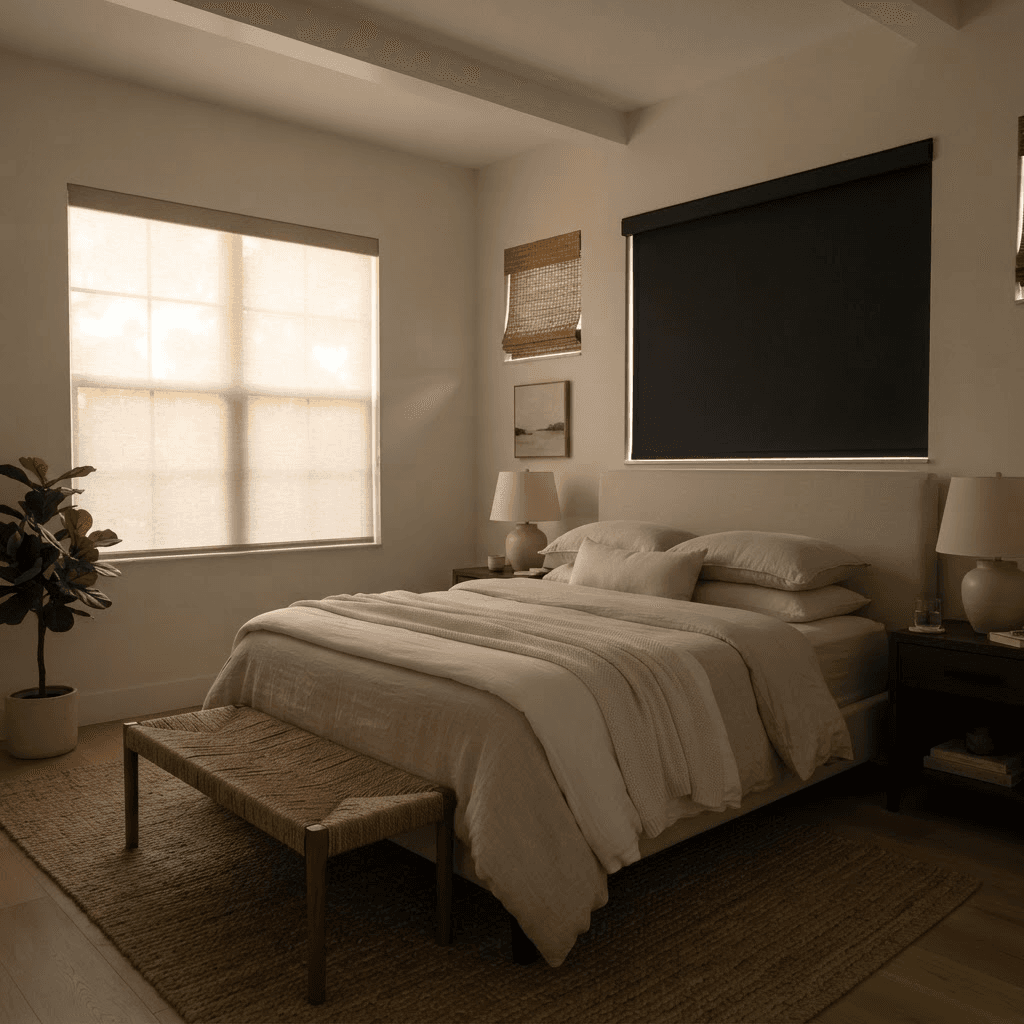
Room-darkening shades block the large majority of light and significantly dim a room, but a little light may still show around the edges. They are a great all-around bedroom choice — dark enough for comfortable sleep and naps while still feeling like a window treatment rather than a total seal. Cellular room-darkening shades add the bonus of insulation against Florida heat.
Blackout: As Dark As It Gets
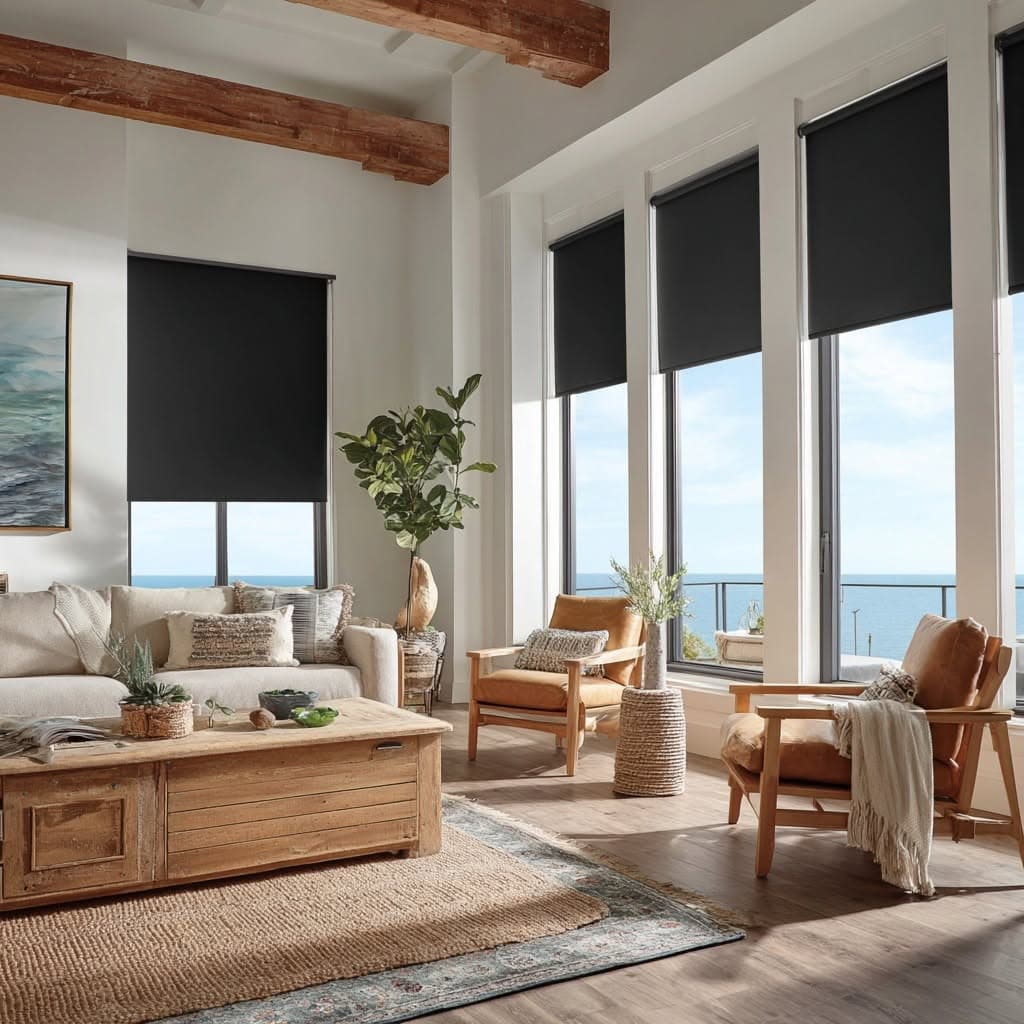
Blackout fabrics are designed to block virtually all light through the material itself. For true darkness you also need to address the edges — an outside mount or side channels stop the light leaks that ordinary shades miss. Blackout is ideal for nurseries, shift workers, and media rooms, and specialty systems like Norman LightGuard 360 are built specifically to achieve near-total darkness.
- Light filtering: living rooms, kitchens, offices — bright, diffused, daytime privacy.
- Room darkening: most bedrooms — significant dimming with a little edge light.
- Blackout: nurseries, media rooms, shift-worker bedrooms — near-total darkness, best with side channels or an outside mount.
- Remember: the fabric controls light through the shade; the mount and edges control the leaks.
The right level depends on the room and how you use it. Our designers let you compare opacities against your own windows and light, so you never guess. We serve Sarasota, Lakewood Ranch, Venice, and the surrounding communities.
Find the Right Level of Light Control
From airy light-filtering to true blackout, we match the opacity to each room.
Ready to Explore Your Options?
Every home is different. Book a free in-home design consultation and we'll help you choose the right window treatments for your space, style, and budget.