The Best Window Treatments for Bedrooms
What you'll learn
- Why room-darkening and blackout are not the same thing.
- How to seal the light gaps that ruin a dark room.
- The layer that gives you nighttime privacy.
- How the right shade keeps the room cooler and quieter.
In Florida, a bedroom that faces the morning sun can be wide awake at 6 a.m. whether you are or not. The job of a bedroom treatment is simple to state and easy to get wrong: block the light you want gone, keep the room private after dark, and help the space stay cool and quiet. Here's how to get all three.
Room-Darkening vs. Blackout
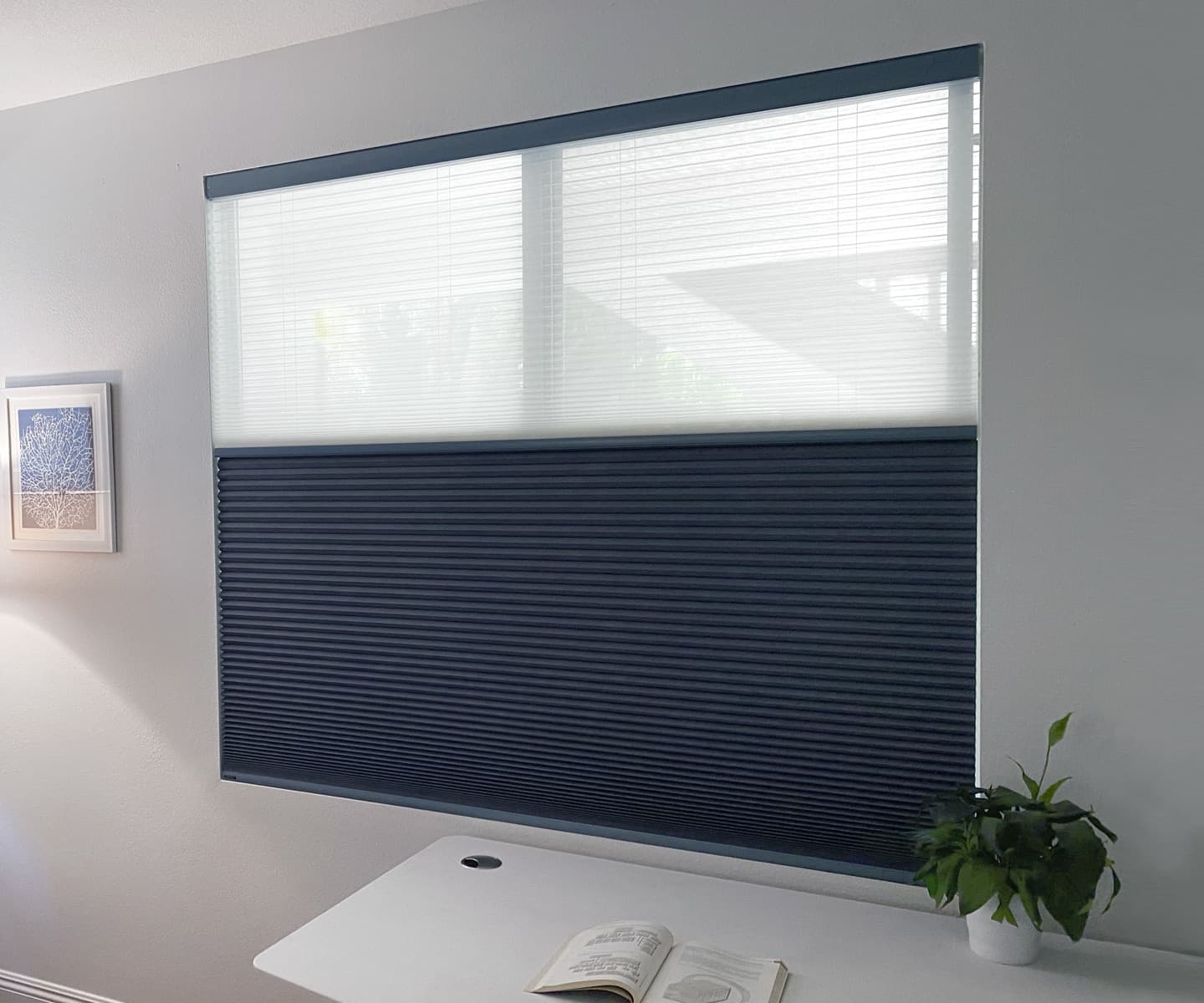
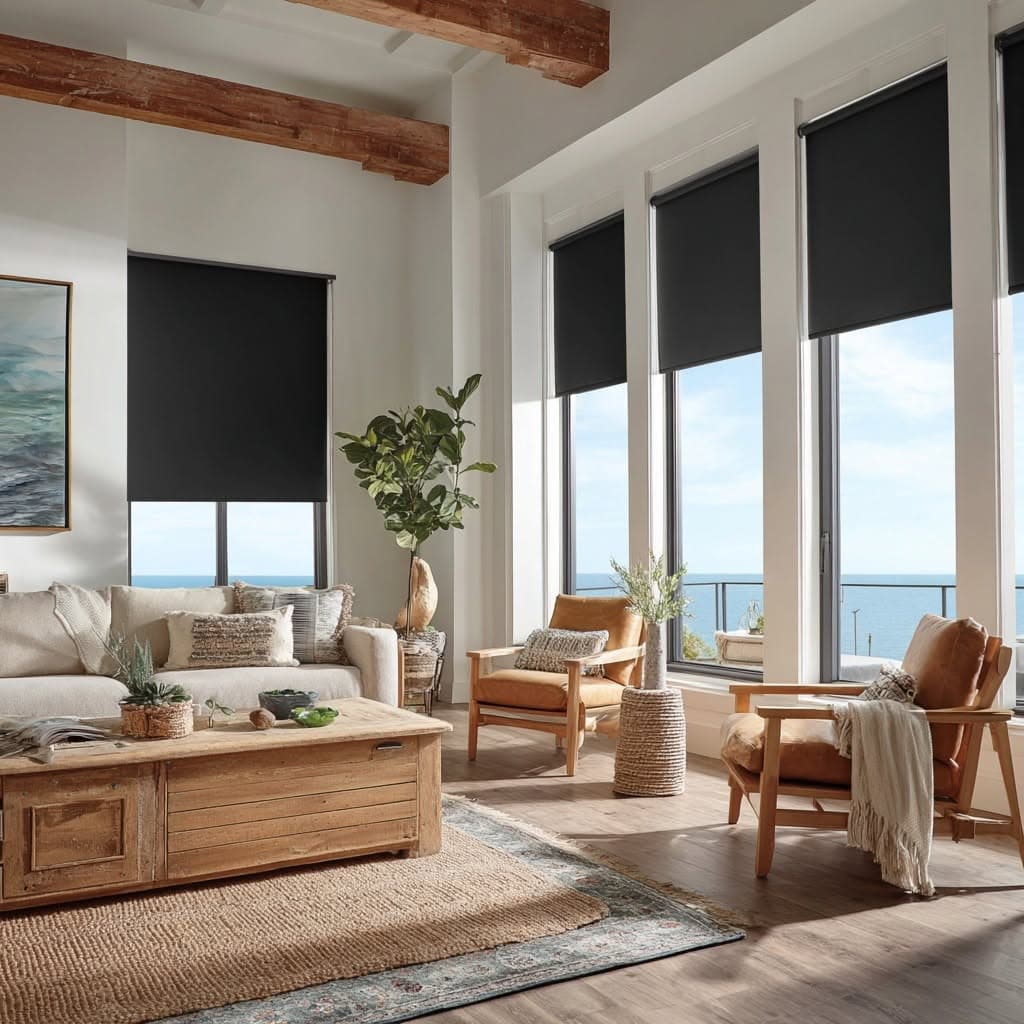
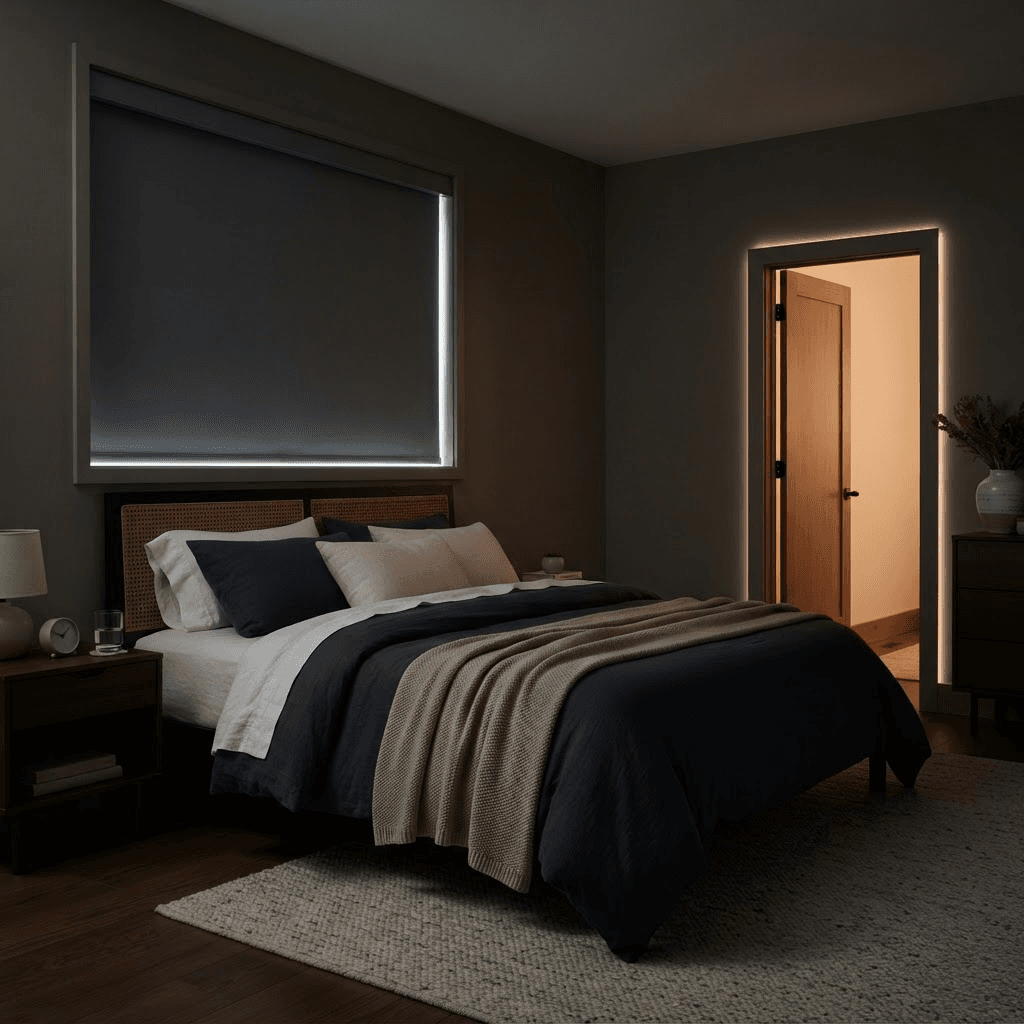
Room-darkening fabrics knock a room down to a comfortable dimness — fine for a guest room or a light sleeper. Blackout fabrics block essentially all light for true darkness, which is what most primary bedrooms, and anyone who sleeps during the day, actually want. If in doubt in a bedroom, go blackout.
Mind the Light Gaps
- Even a blackout fabric leaks light around the edges if it's mounted inside a shallow frame — an outside mount or side channels seal those gaps.
- Honeycomb blackout shades add an insulating air pocket, so you get darkness and a cooler room in one product.
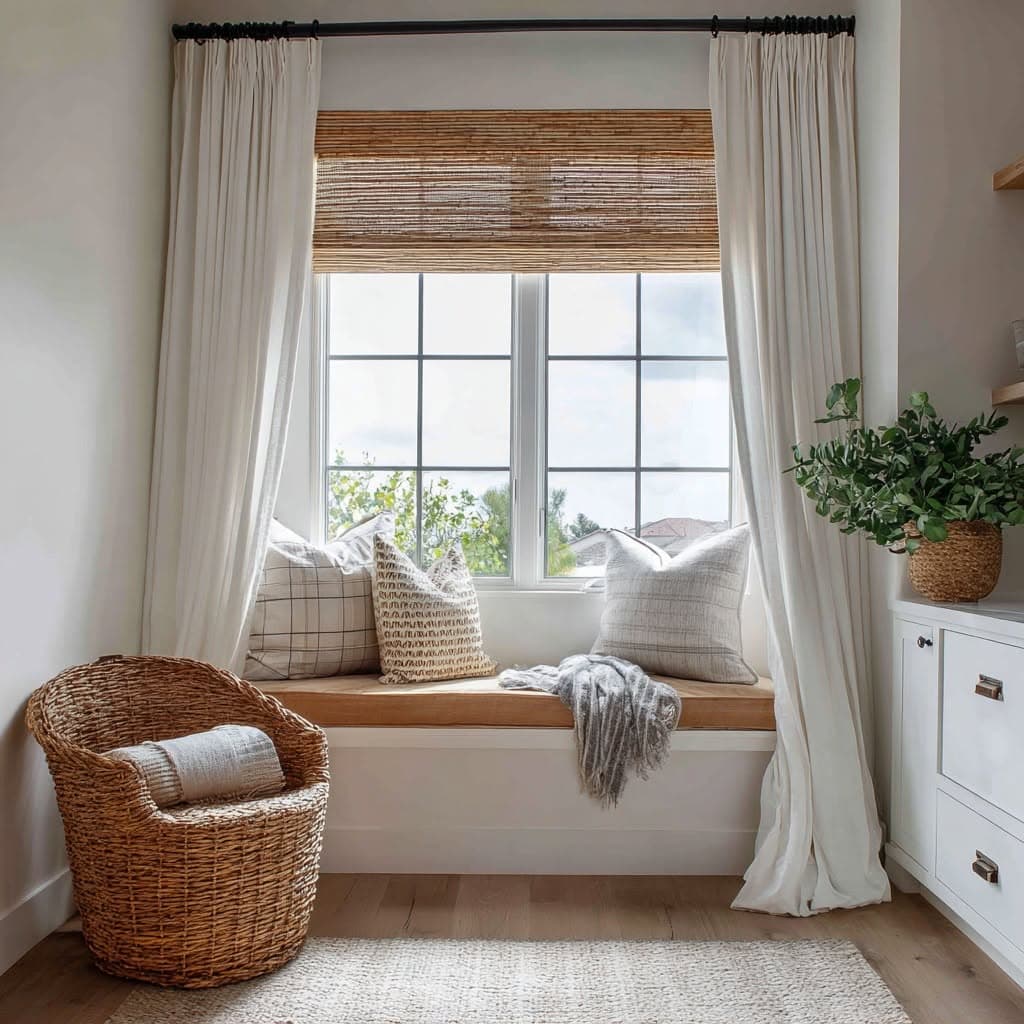
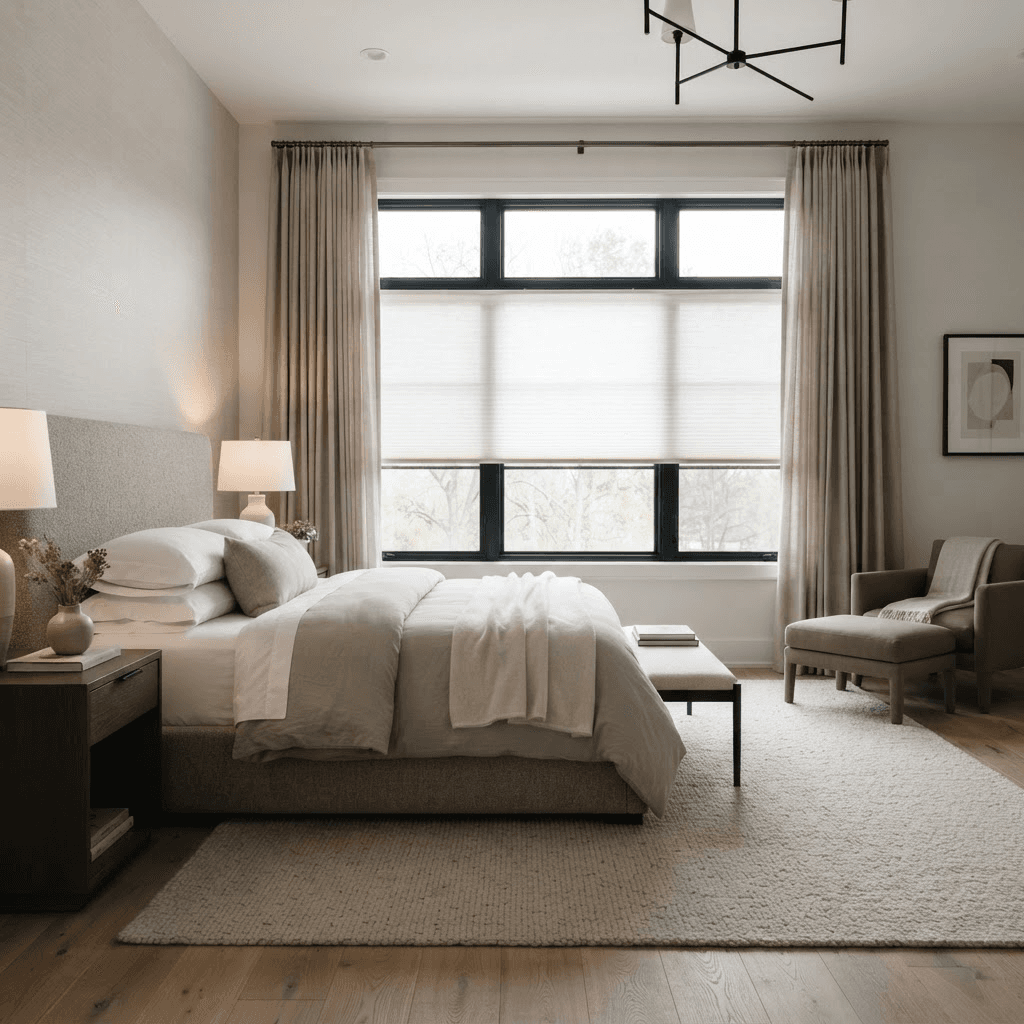
- Drapery over a shade softens the look and catches stray edge light for an even darker result.
Privacy and Comfort After Dark
A shade that gives daytime privacy can still show silhouettes at night with the lights on, so bedrooms want a genuinely opaque layer. The bonus of blackout and cellular fabrics is that they also insulate against Florida heat and dampen outside noise — a cooler, quieter, darker room from a single decision.
Ready to put this into practice?
Book a free in-home design consultation and we'll help you apply what you've learned to your specific rooms, light, and budget.