Motorized Drapery: A Complete Guide
What you'll learn
- How a motorized drapery track actually works.
- Wired vs. battery power and what each needs.
- The windows where motorized drapery pays off most.
- How it ties into Lutron and voice control.
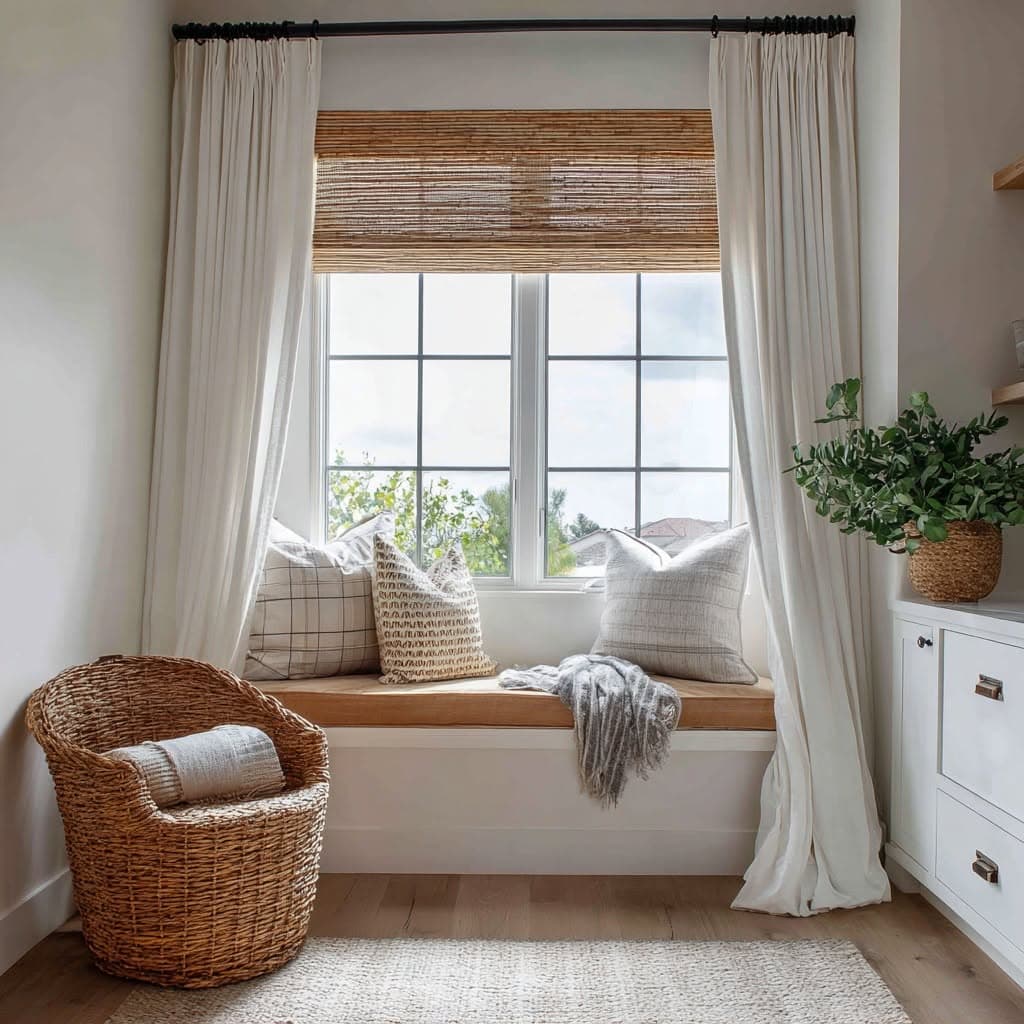
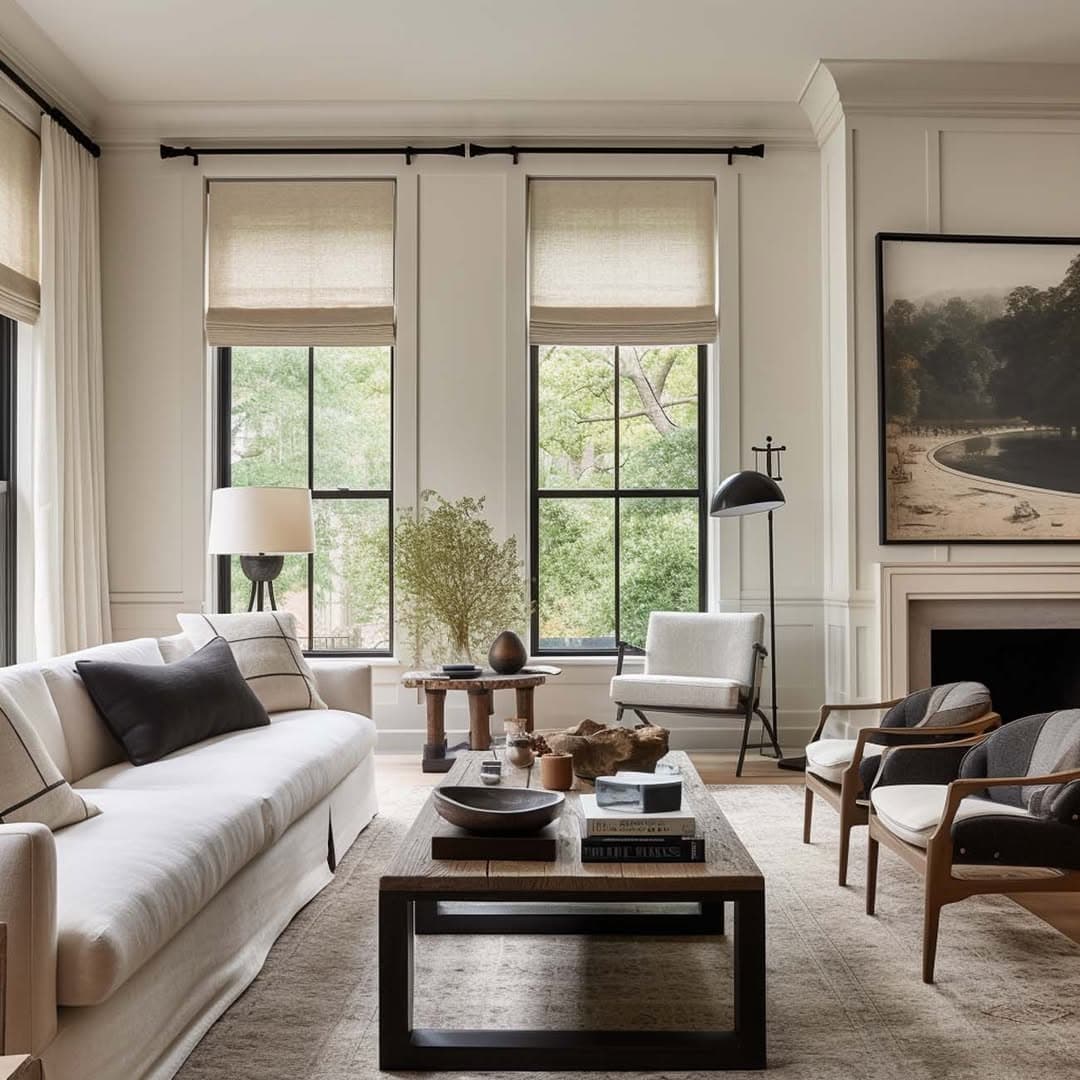
Drapery brings warmth, softness, and acoustic comfort that hard treatments can't match — but heavy panels on a wide track are a chore to pull by hand, and tugging fabric daily wears it out. Motorized drapery solves that: a quiet motor glides the panels along the track at the touch of a button, on a schedule, or by voice, so the softest treatment in the house is also the easiest to live with.
How It Works
A concealed motor drives a carrier along a custom track, opening panels from the center or stacking them to one side. Movement is smooth and near-silent, and you can stop the panels anywhere. Your existing fabric choices still apply — ripple-fold, pinch-pleat, sheers, or blackout linings all motorize.
Power and Control Options
- Hardwired motors — the cleanest, maintenance-free choice; best planned during construction or a remodel so low-voltage wiring is hidden.
- Battery or plug-in motors — a great retrofit for finished homes, with rechargeable packs that last months between charges.
- Control by wall keypad, app, schedule, or voice — and, with Lutron, alongside your shades and lighting in one system.
Where Motorized Drapery Shines
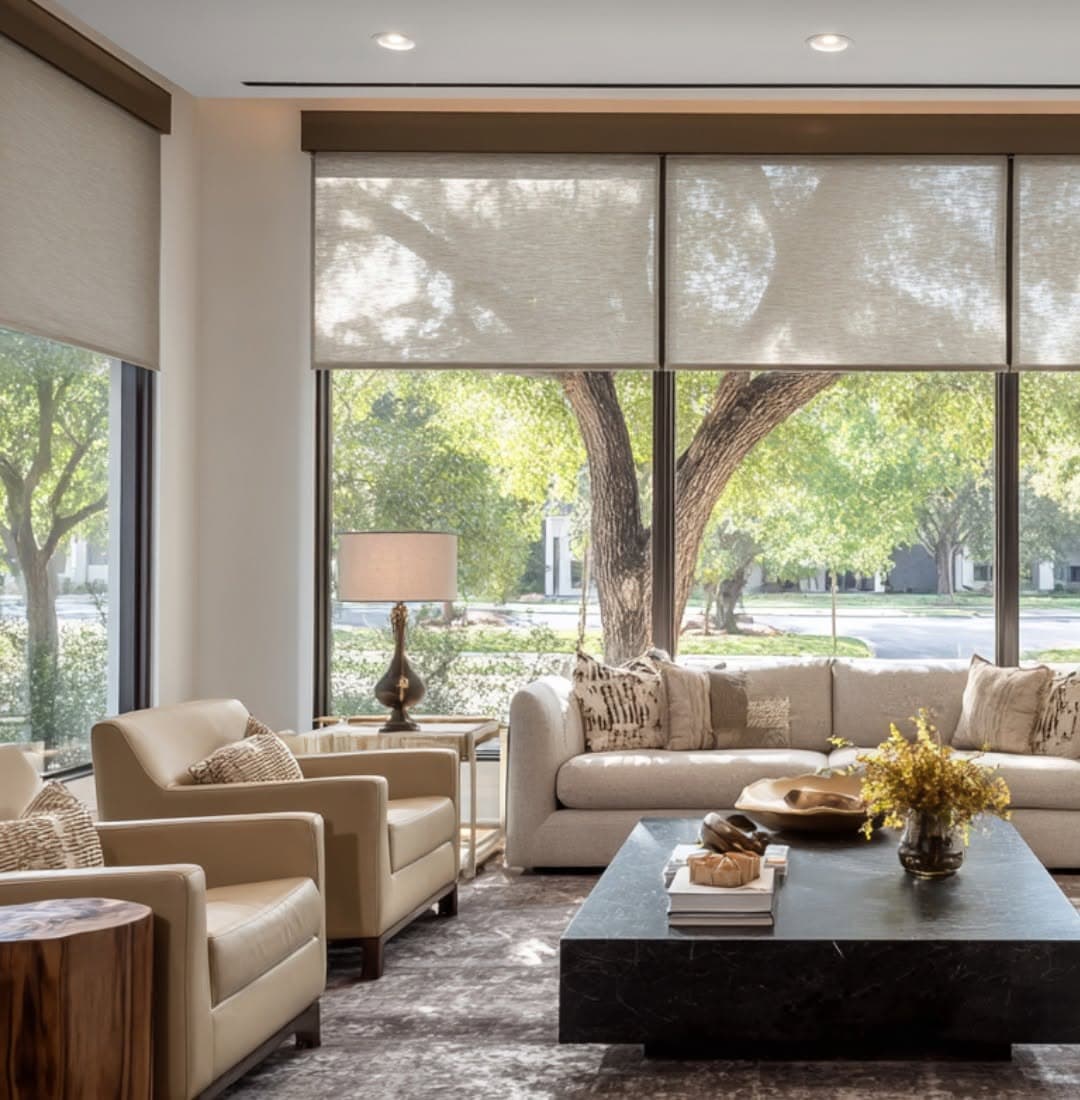
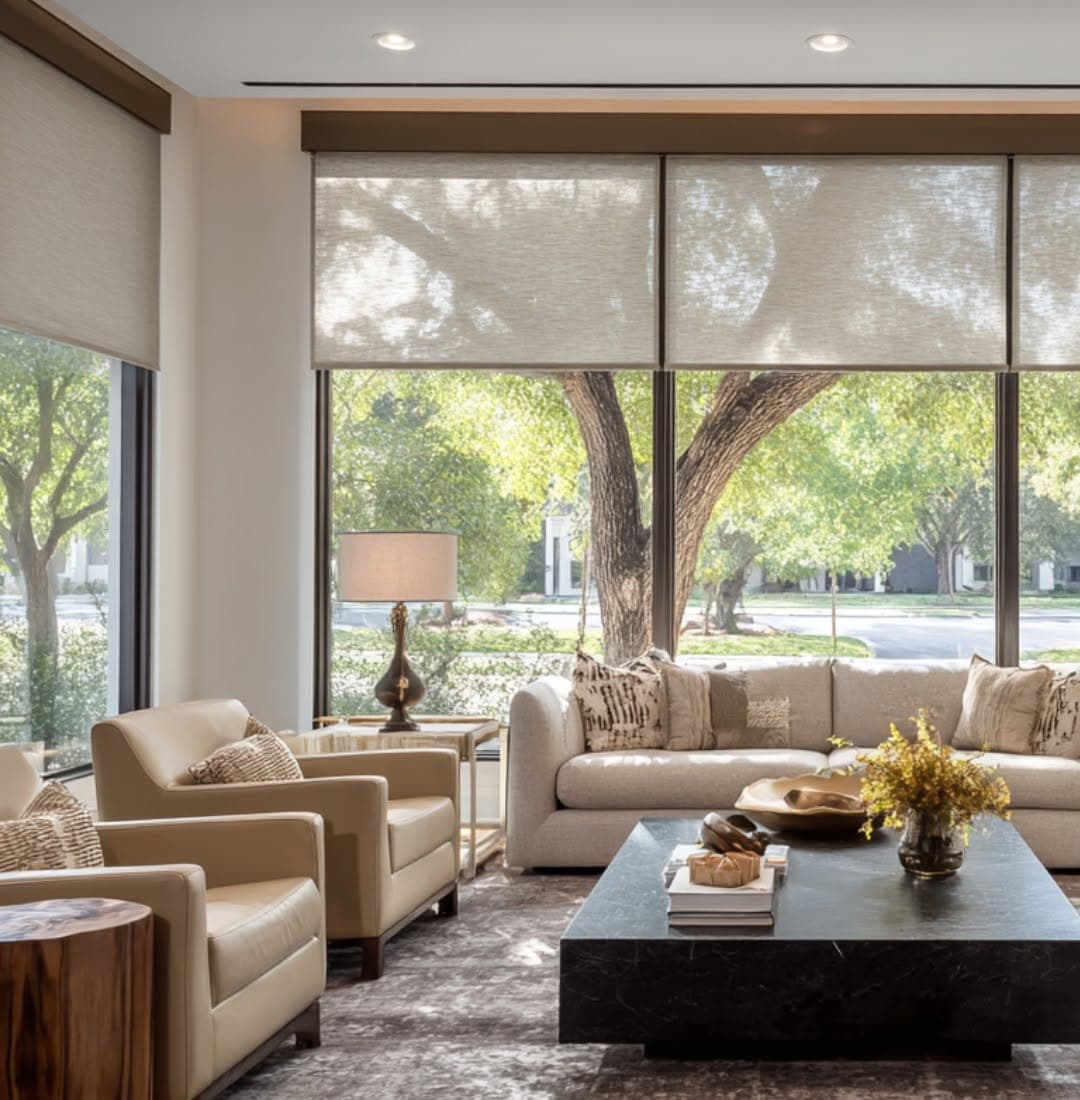
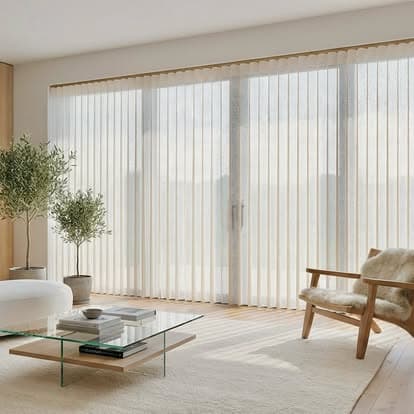
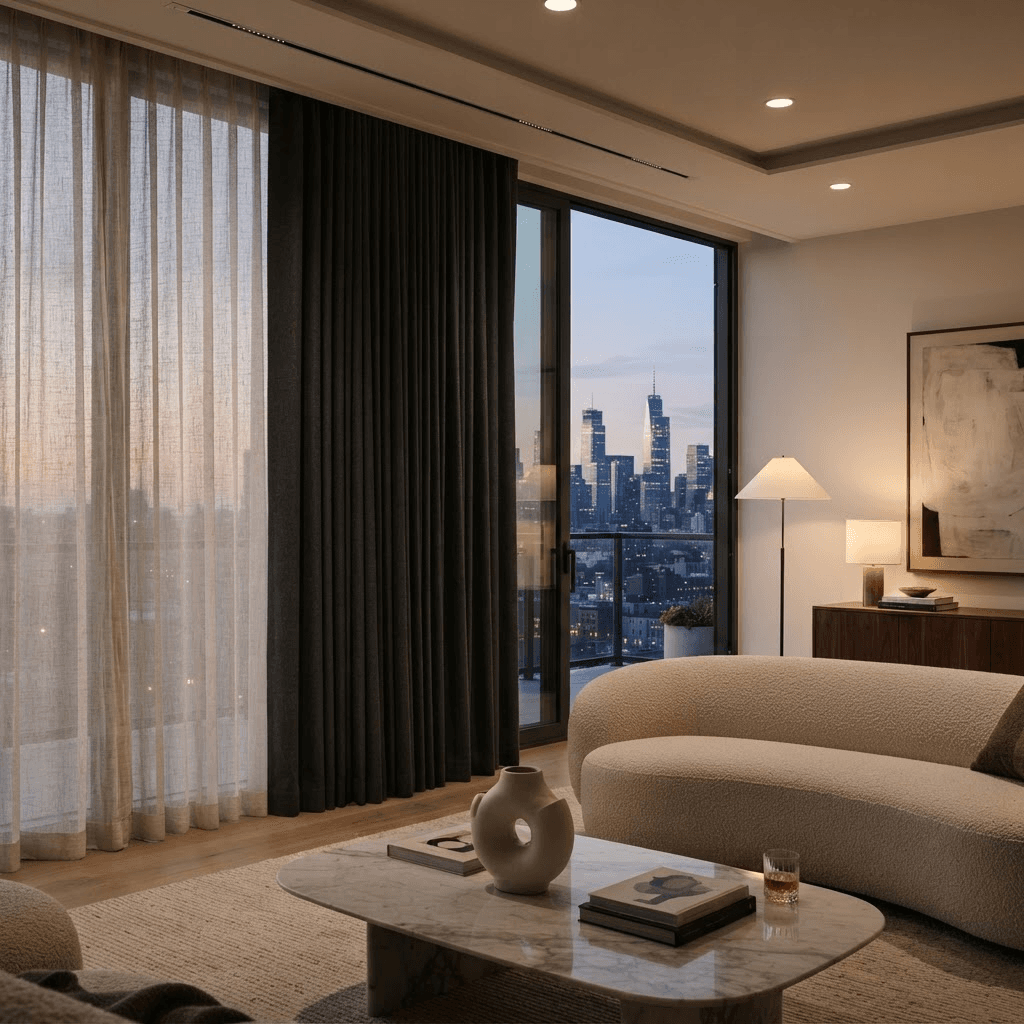
It's ideal on floor-to-ceiling glass, wide sliders, and tall windows where reaching or walking the full width is a hassle. In bedrooms, blackout drapery on a schedule is a luxury; in great rooms, layering motorized sheers over motorized drapery gives you day-to-night control with one tap. For very wide spans, SmartDrape combines the look of drapery with the light control of a shade.
Ready to put this into practice?
Book a free in-home design consultation and we'll help you apply what you've learned to your specific rooms, light, and budget.