Window Treatments for Home Offices & Media Rooms
What you'll learn
- How solar shades tame glare on screens and video calls.
- Why media rooms need true blackout, not just dimming.
- The dual-shade setup that does both jobs.
- How motorization creates one-touch work and movie scenes.
Work-from-home and home theaters put opposite demands on a window: an office needs even, glare-free light so screens are readable and you look good on camera, while a media room needs to go pitch black on command. Both are solvable — often in the same room — with the right shade strategy.
For the Home Office: Beat the Glare
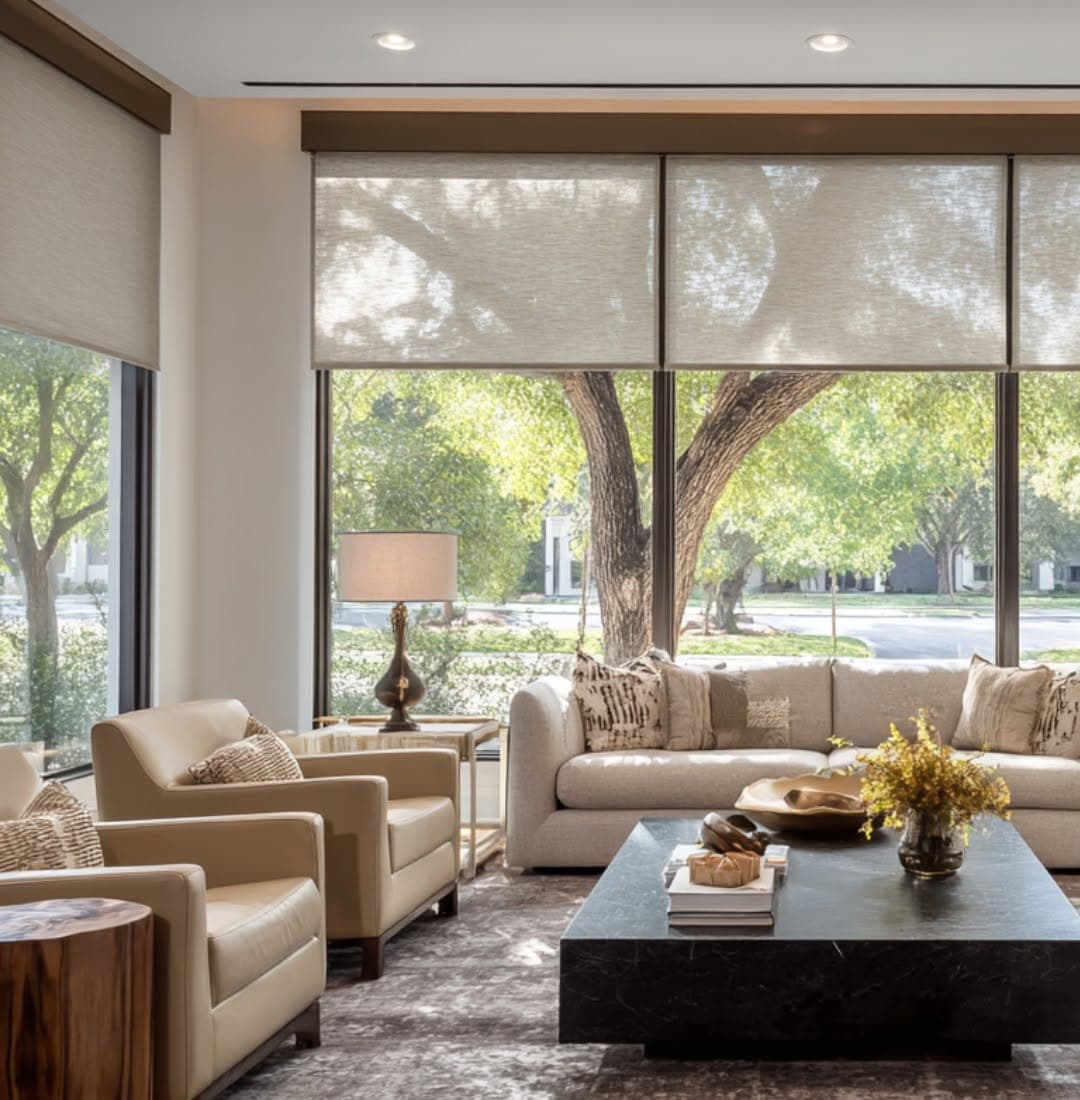
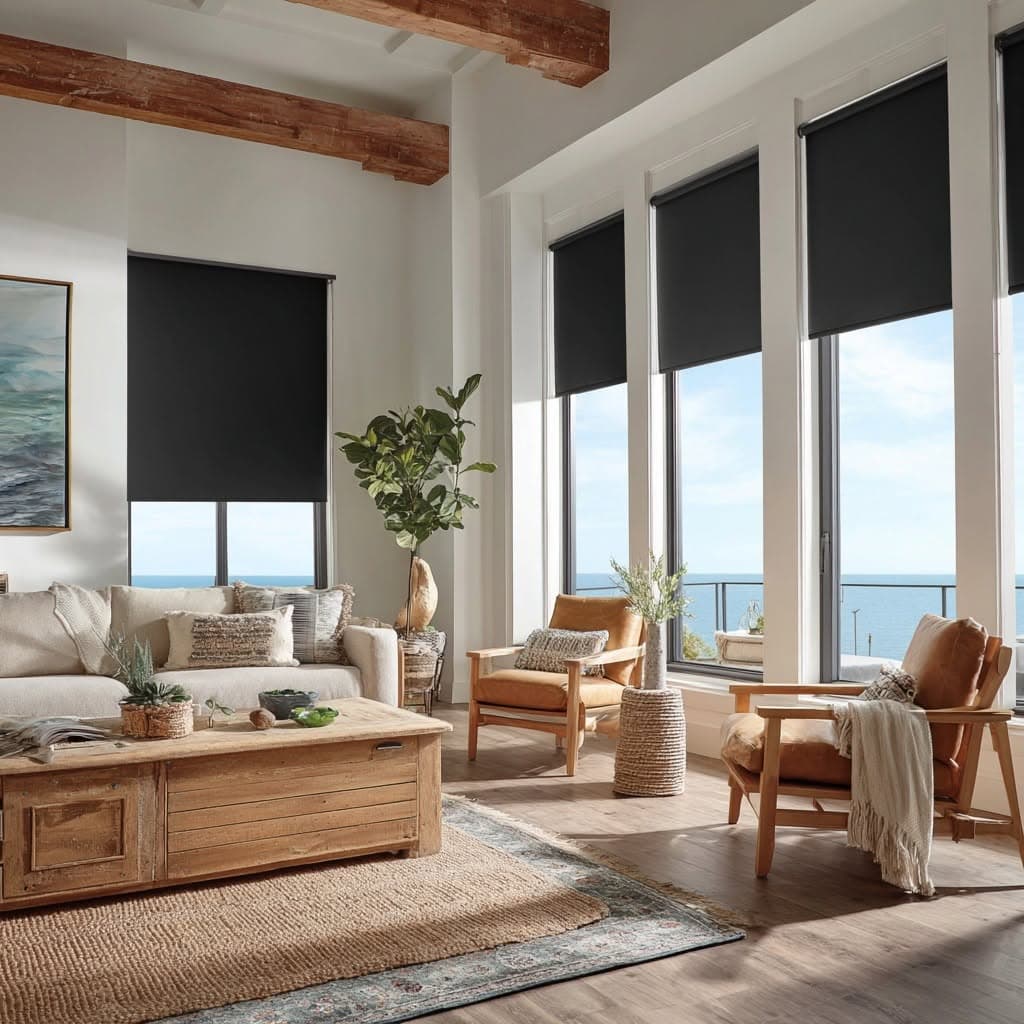
Direct sun on a monitor is exhausting and washes you out on video calls. Solar shades cut glare and UV while keeping a soft, even daylight and a view to the outside — far better than working in a cave with the blinds shut. A tighter openness factor gives more glare control on bright western exposures.
For the Media Room: True Darkness
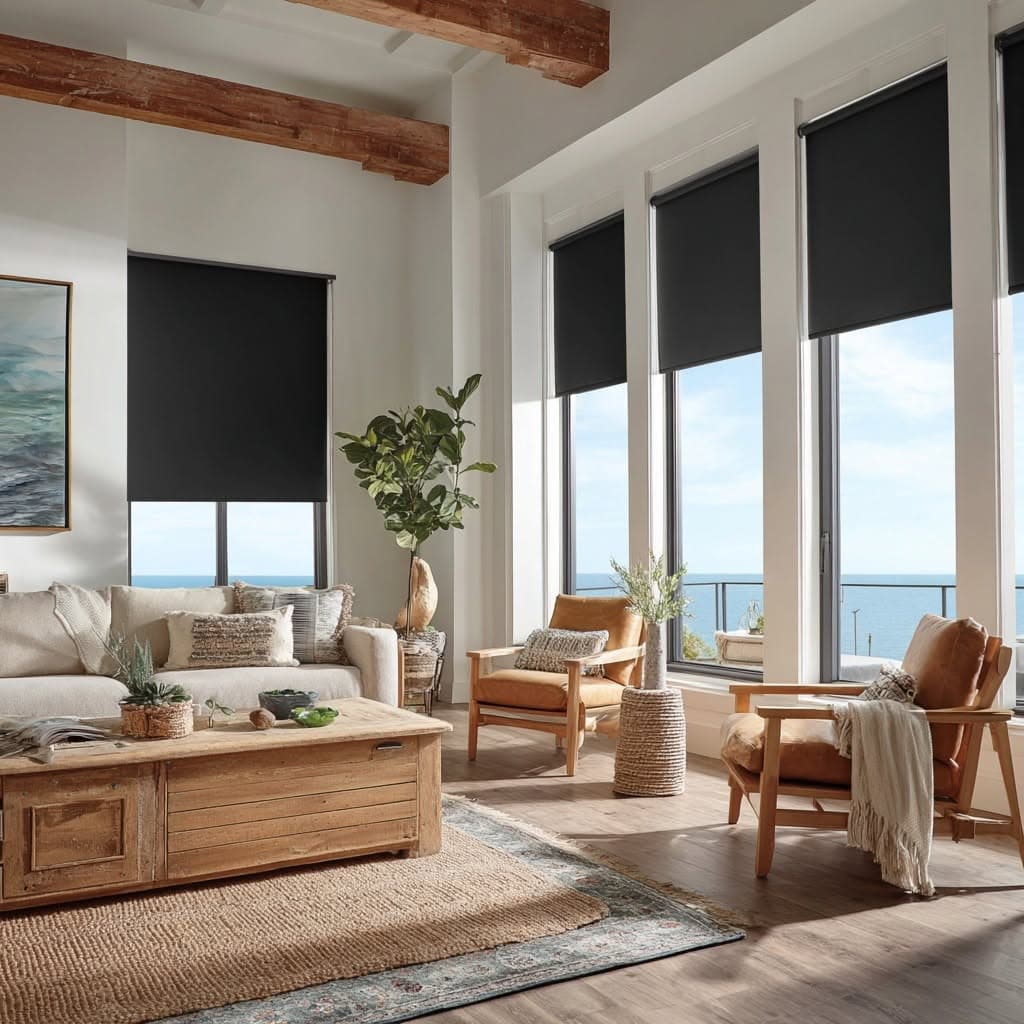
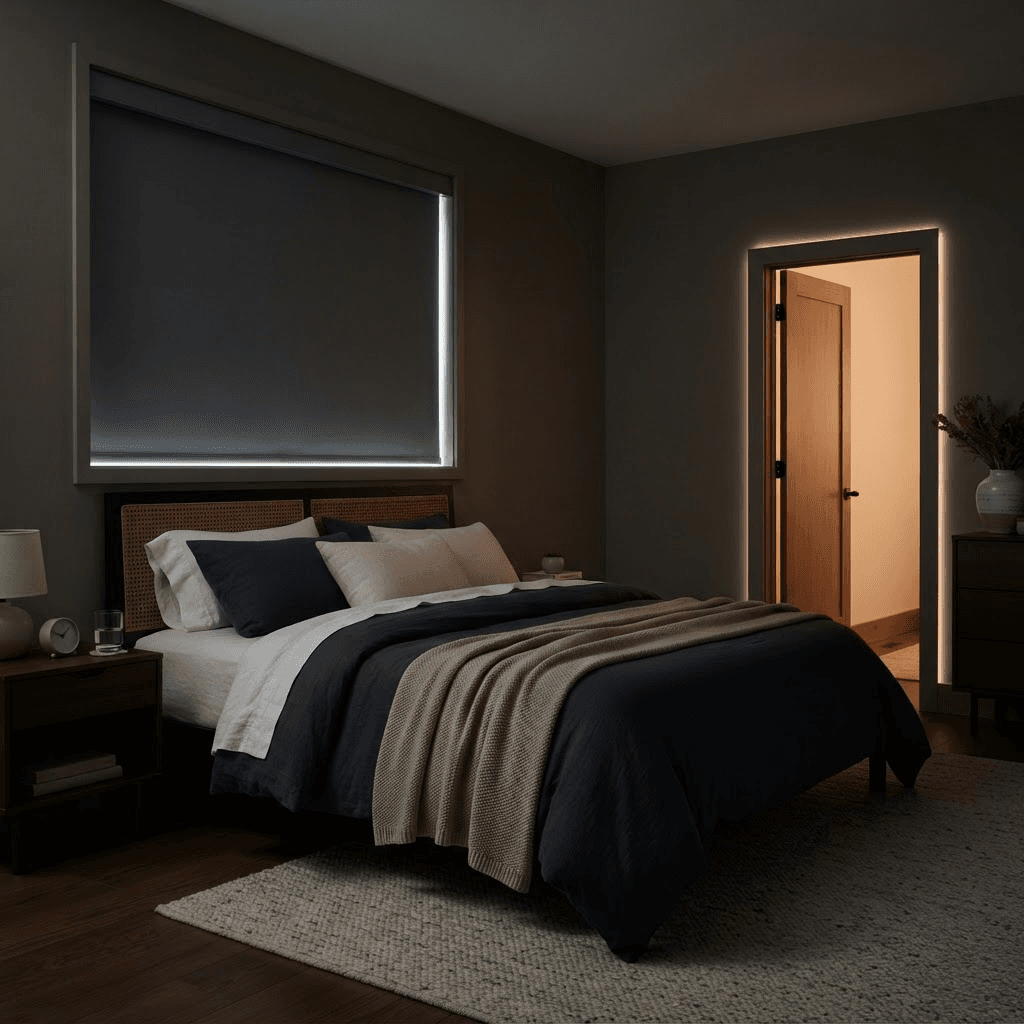
Movie nights want blackout, not just dim. Blackout roller or cellular shades with side channels seal edge light so the picture stays crisp at midday. Cellular fabrics add insulation, which also helps keep the equipment-warm room comfortable.
Do Both With Dual Shades
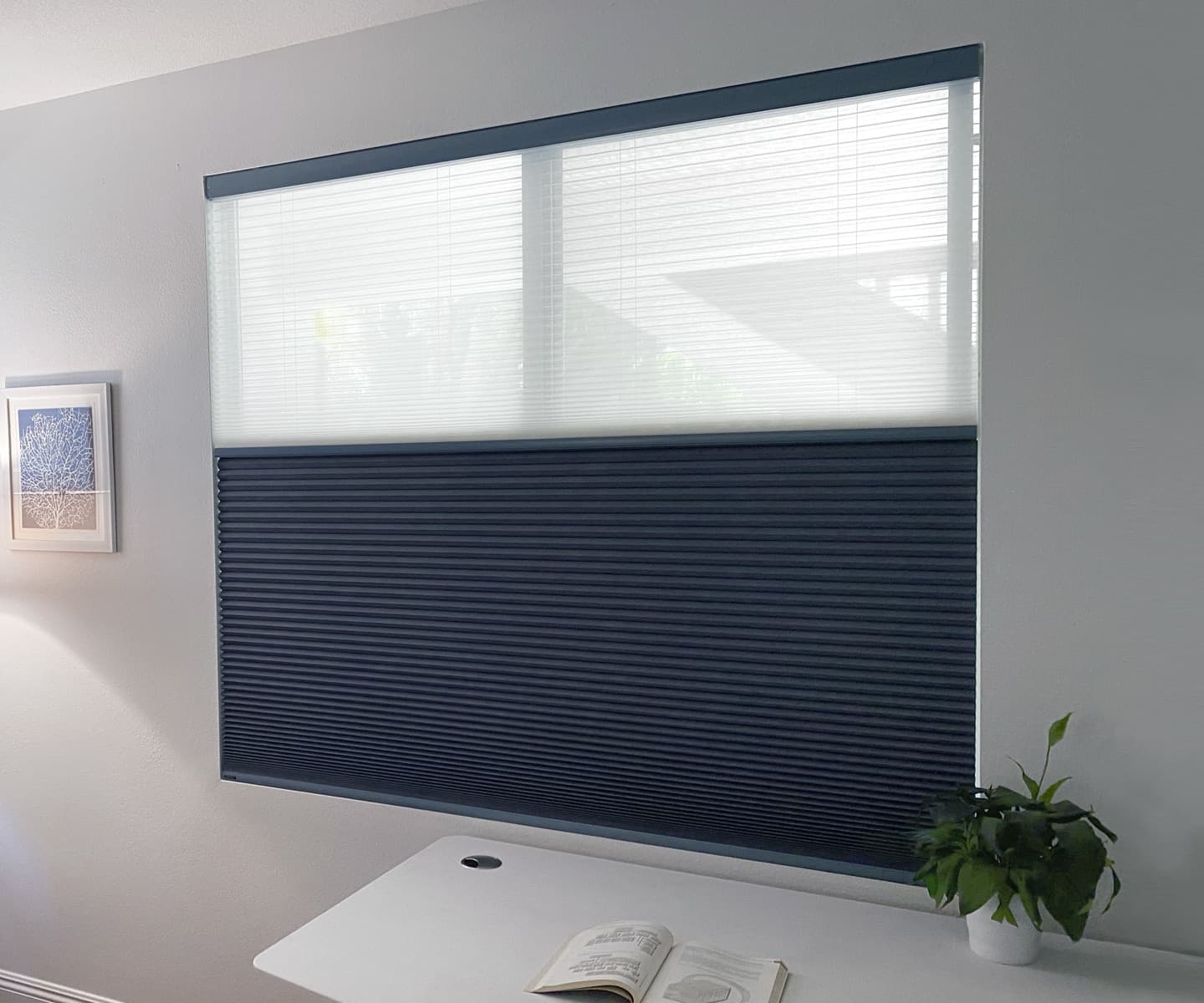
- A dual roller system stacks a solar shade and a blackout shade on one window — solar for work, blackout for viewing.
- Motorization ties it together: a 'Work' scene raises the solar layer, a 'Movie' scene drops blackout across the room in one tap.
- Scheduling shades to the sun keeps glare off your screen through the afternoon without a thought.
Ready to put this into practice?
Book a free in-home design consultation and we'll help you apply what you've learned to your specific rooms, light, and budget.