Roller & Solar Shades Buying Guide
What you'll learn
- The real difference between a roller shade and a solar shade.
- How openness factor controls glare, UV, and how much view you keep.
- Choosing opacity — from sheer solar to full blackout.
- Which rooms are the best fit for each type.
Roller and solar shades are the workhorses of Florida sun control: clean, modern, and endlessly configurable. They share the same simple mechanism — fabric on a roller tube — but they solve different problems. This guide explains how to tell them apart and how to pick the exact fabric for each window.
Roller vs. Solar: What's the Difference?
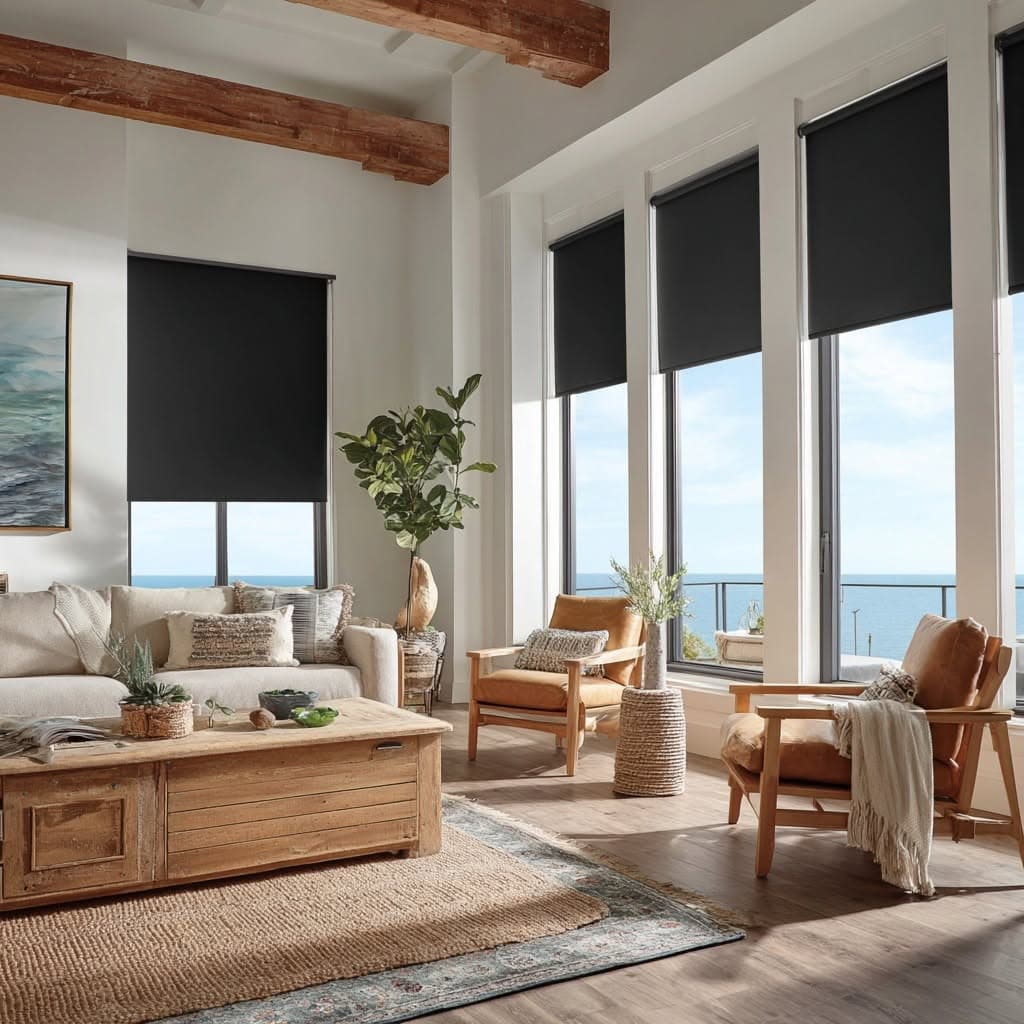
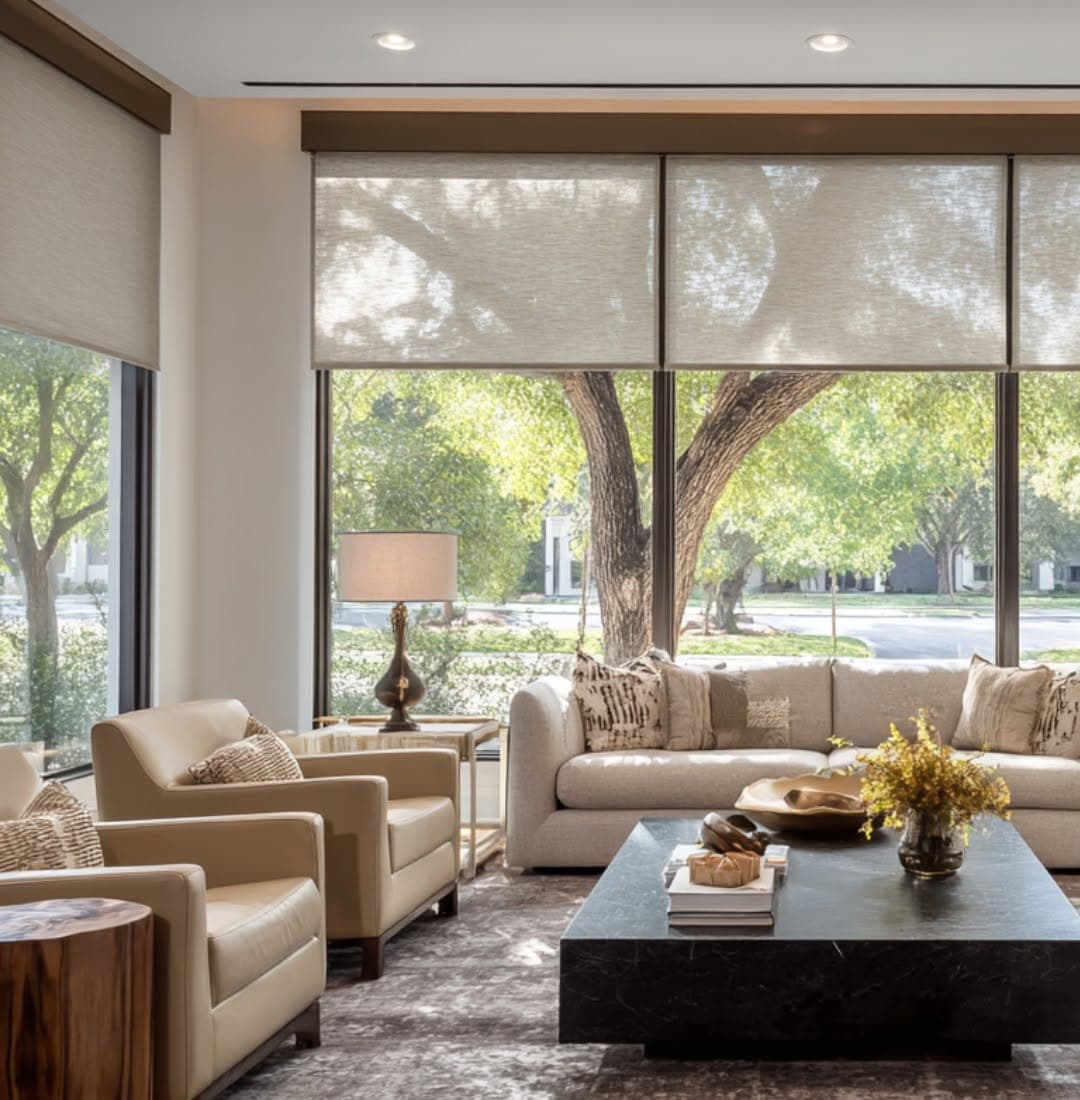
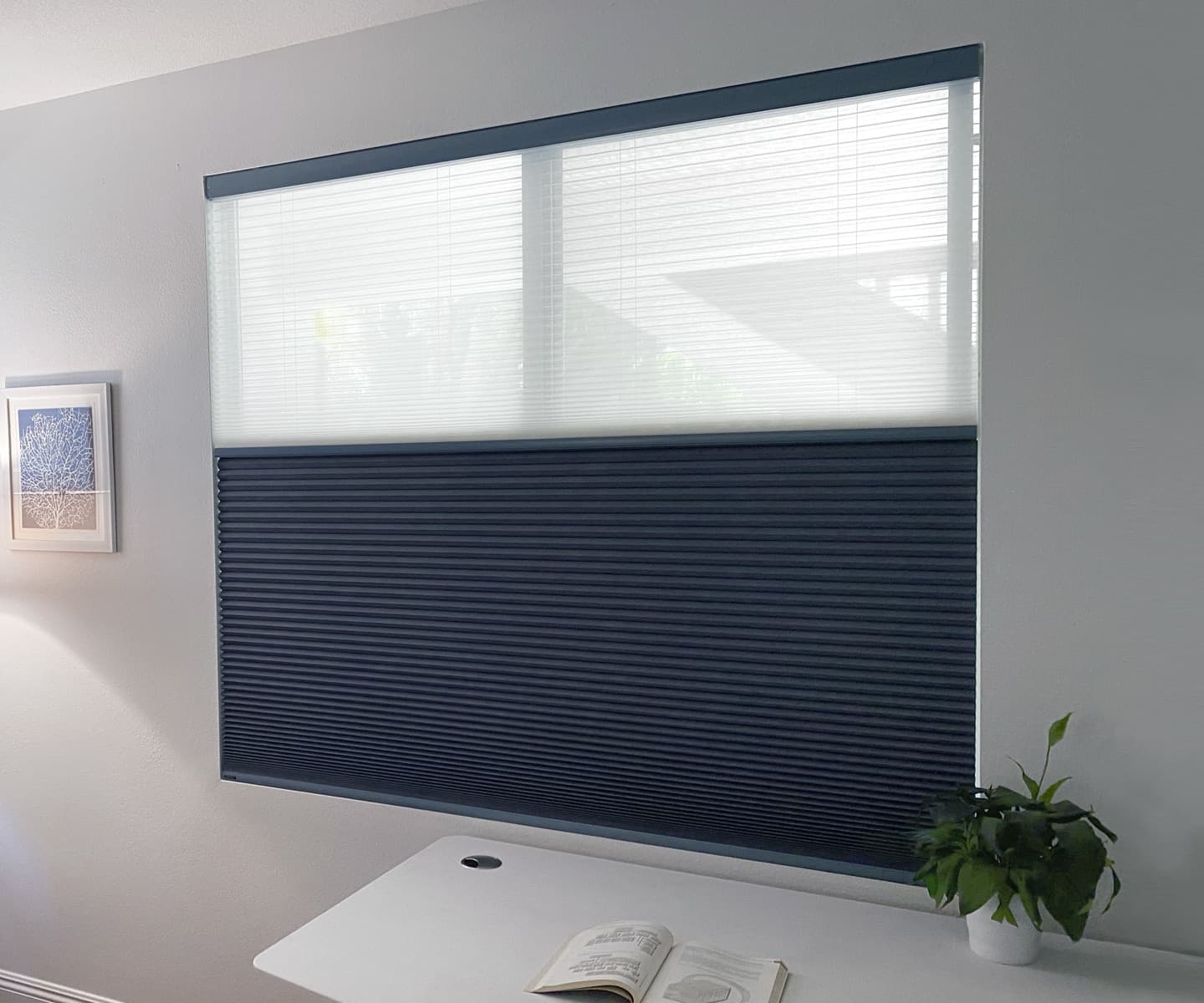
A roller shade is defined by its fabric opacity, from light-filtering to full blackout, and is about privacy and light level. A solar shade is a roller shade with an open-weave, screen-like fabric designed specifically to cut glare and UV while keeping your view to the outdoors. Every solar shade is a roller shade, but not every roller shade is a solar shade.
Understanding Openness Factor
Openness factor is the percentage of open weave in a solar fabric — the single most important spec. A lower number blocks more sun and UV but shows less of the view; a higher number keeps a crisper view but lets in more glare.
| Openness | View & glare | Best for |
|---|---|---|
| 1–3% | Most glare and UV blocked, softer view | West-facing rooms, media rooms, harsh afternoon sun |
| 5% | Balanced view and glare control | The all-purpose choice for most Florida rooms |
| 10%+ | Clearest view, more glare comes through | Shaded exposures and prized water or garden views |
Choosing Opacity on a Roller Shade
- Light-filtering — softens light and adds daytime privacy while keeping a room bright.
- Room-darkening — significantly reduces light for living spaces and nurseries.
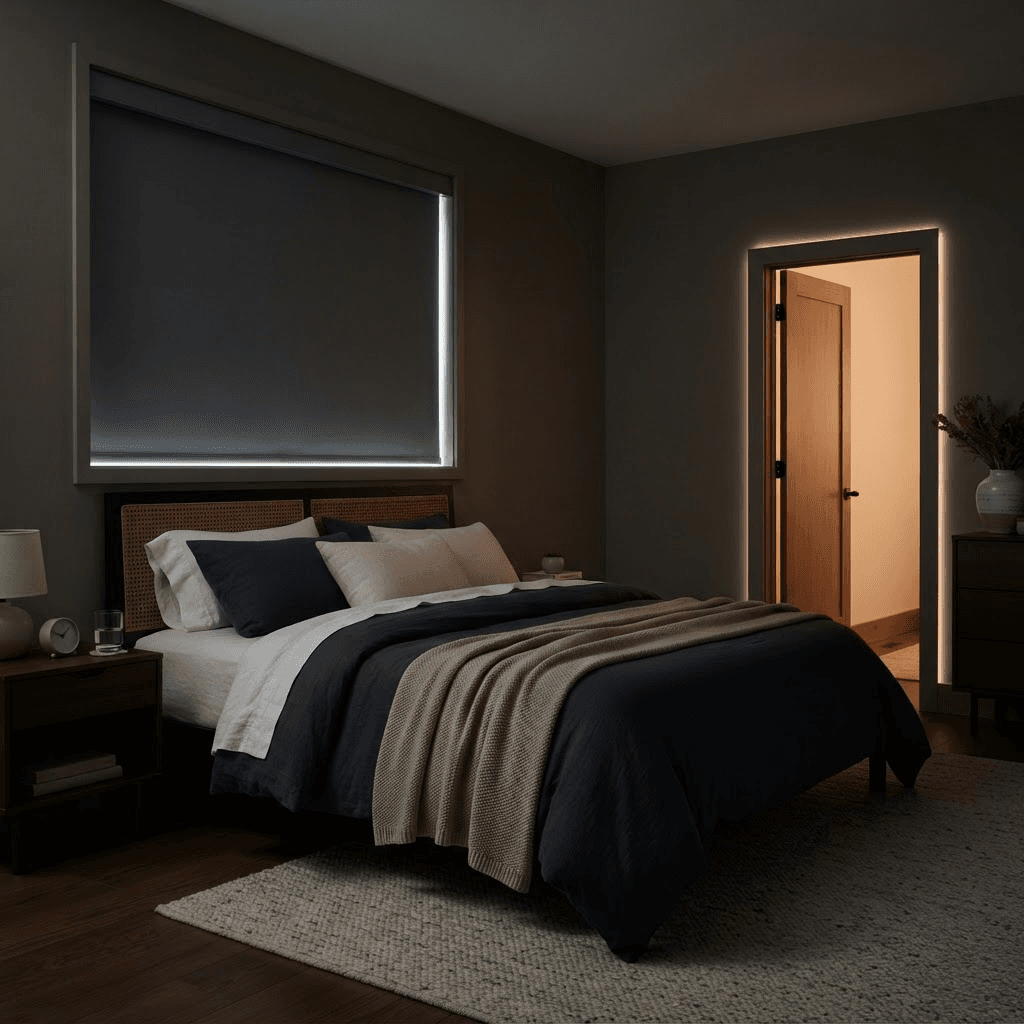
- Blackout — blocks essentially all light for bedrooms and media rooms; pair with side channels for the darkest result.
Room-by-Room Shortlist
- 1
Great room with a view
A 5% solar shade cuts glare and heat while preserving the water or garden view you paid for.
- 2
Primary bedroom
A blackout roller shade — motorized if the window is large or hard to reach — for sleep and privacy.
- 3
Home office
A low-openness solar shade (1–3%) kills screen glare without going dark.
- 4
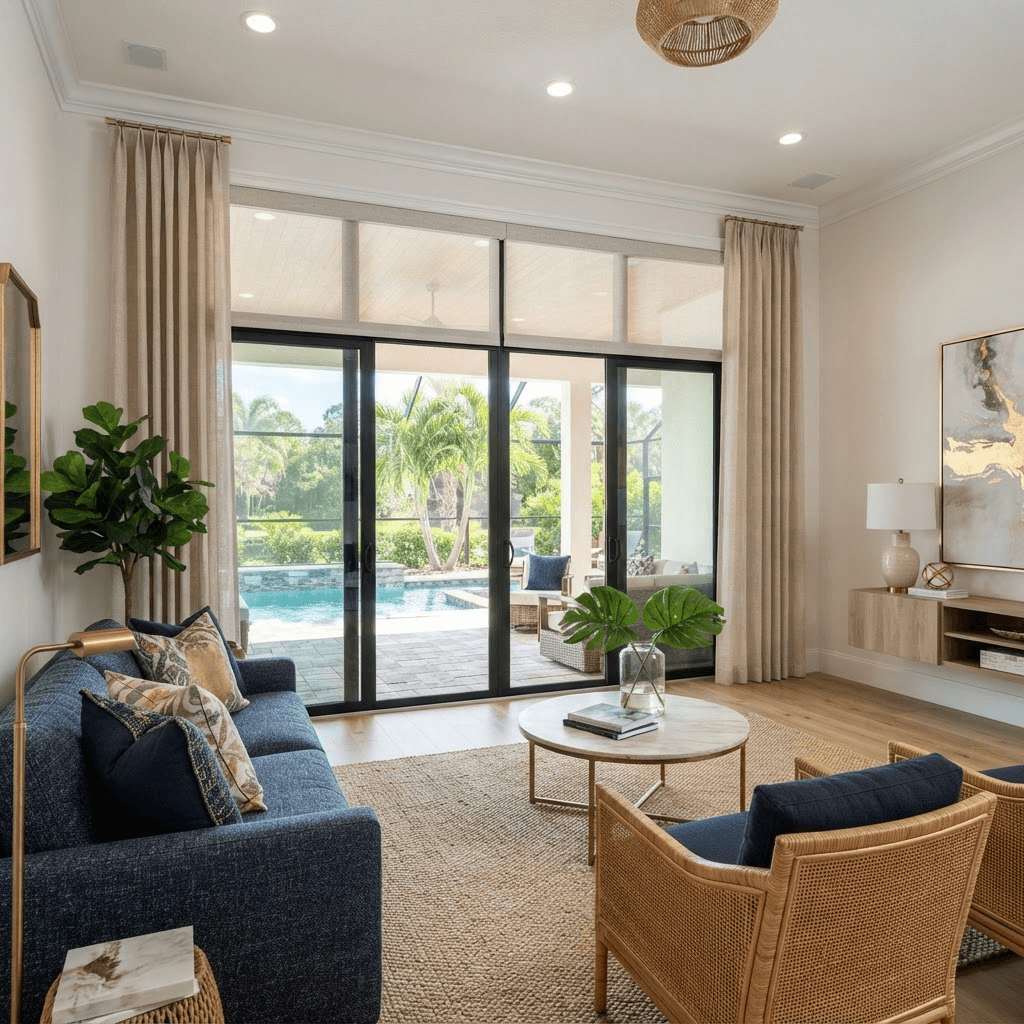
Sliding glass doors
Wide roller or solar shades, often motorized, keep big glass spans easy to operate.
Ready to put this into practice?
Book a free in-home design consultation and we'll help you apply what you've learned to your specific rooms, light, and budget.